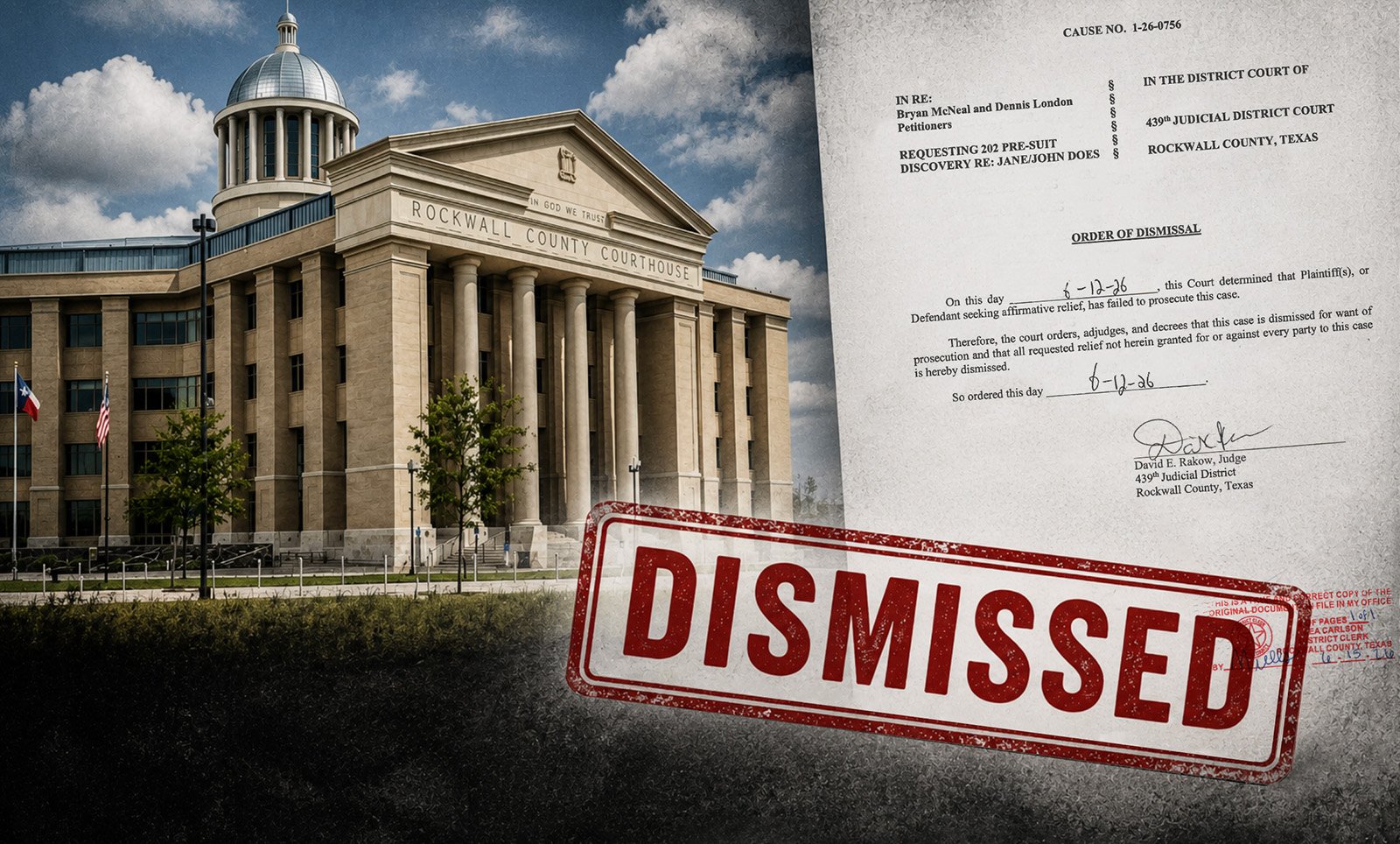

In April 2026, former McLendon-Chisholm Mayor Bryan McNeal and Council Member Dennis London filed a petition in Rockwall County District Court seeking pre-suit discovery from Meta Platforms, Inc. under Texas Rule of Civil Procedure 202. The filing sought identifying information associated with multiple Facebook accounts and comments, including activity connected to discussions in the Facebook group “Rockwall EXPOSED!”
McNeal and London alleged that certain social media posts contained defamatory, harassing, and abusive statements directed toward them and their families. The petition requested information including names, email addresses, telephone numbers, IP addresses, and other account-related data associated with the online activity referenced in the filing.
The petition was filed on April 21, 2026, just hours before the publication of this website’s article, “FOIA Documents Detail Bryan McNeal’s Military History.”
In the weeks leading up to the filing, McNeal publicly discussed the anticipated legal action on social media, describing it as an effort to obtain what he called a “full disclosure of the discovery” regarding online activity and social media accounts. Those posts generated significant discussion within the community and raised questions about online speech, public criticism, and accountability.
On April 27, 2026, I reported on the filing and indicated that I would continue following the case as additional court actions occurred. Nearly two months later, the proceeding reached an unexpected conclusion when the court dismissed the petition for want of prosecution.
What the Petition Requested
Importantly, the filing was not a lawsuit against any identified individual. Instead, it was a pre-suit discovery request seeking information related to social media activity referenced throughout the petition and its exhibits before determining whether future legal claims would be pursued.
The petition asked the court to authorize discovery from Meta and included proposed subpoenas, court orders, and related documents intended to obtain information associated with the accounts and online activity referenced in the filing.
While much of the public discussion surrounding the petition focused on unidentified accounts and online speech, the exhibits were not limited to unidentified users. The materials also included screenshots from publicly identifiable Facebook profiles and comments made under real names, expanding the controversy beyond questions of online anonymity alone.
Public Statements Before the Filing
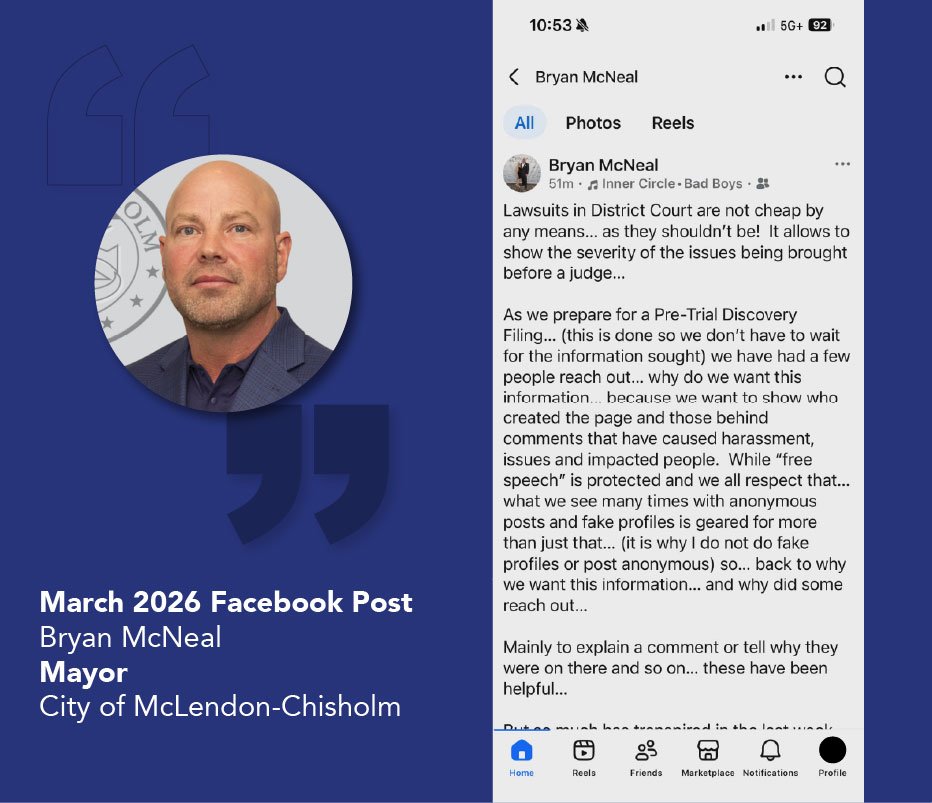
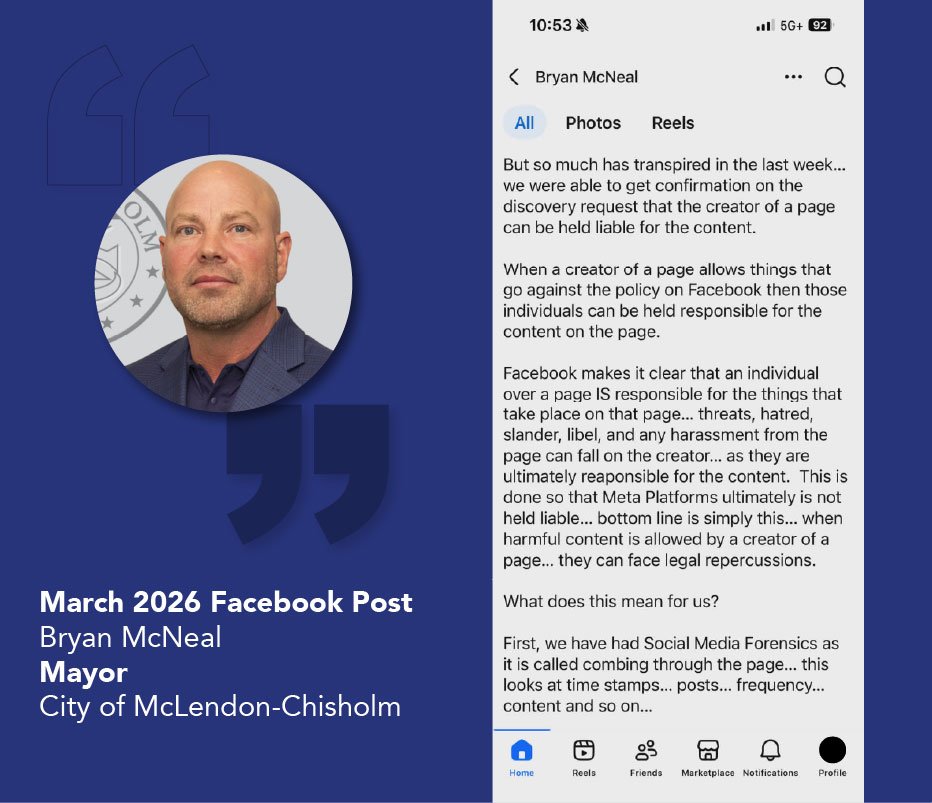
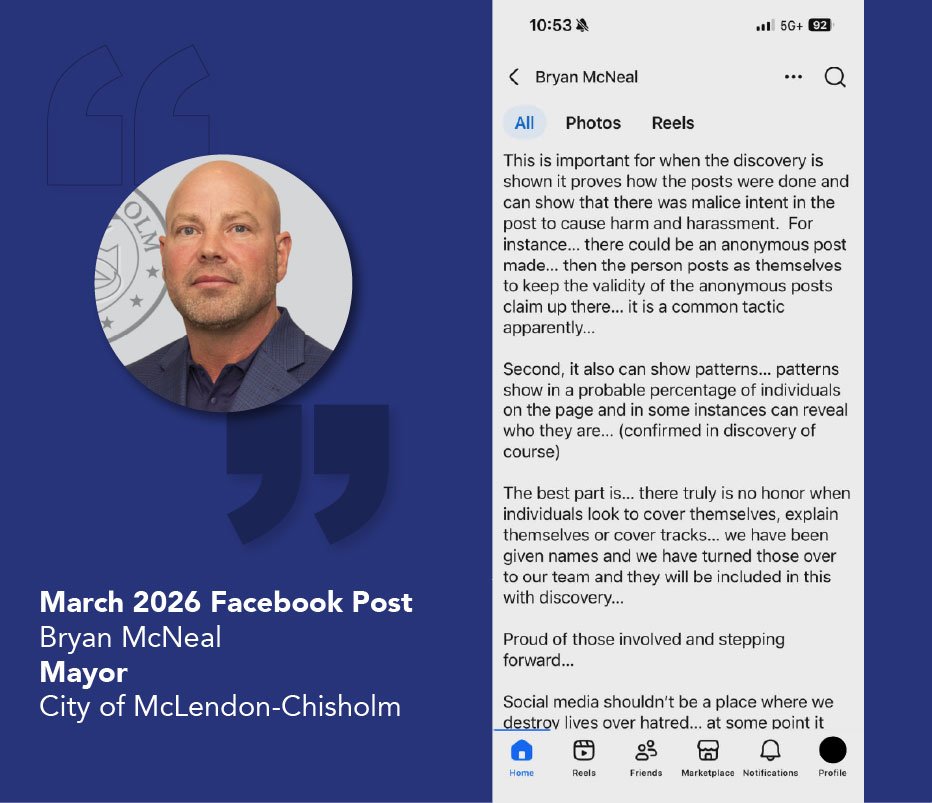
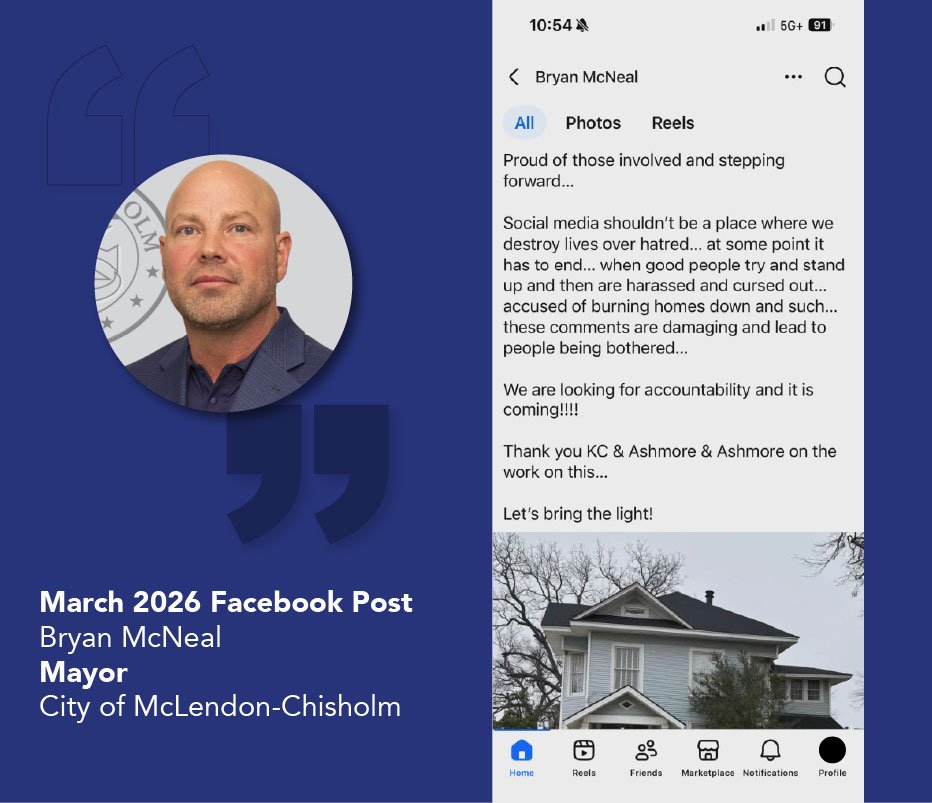
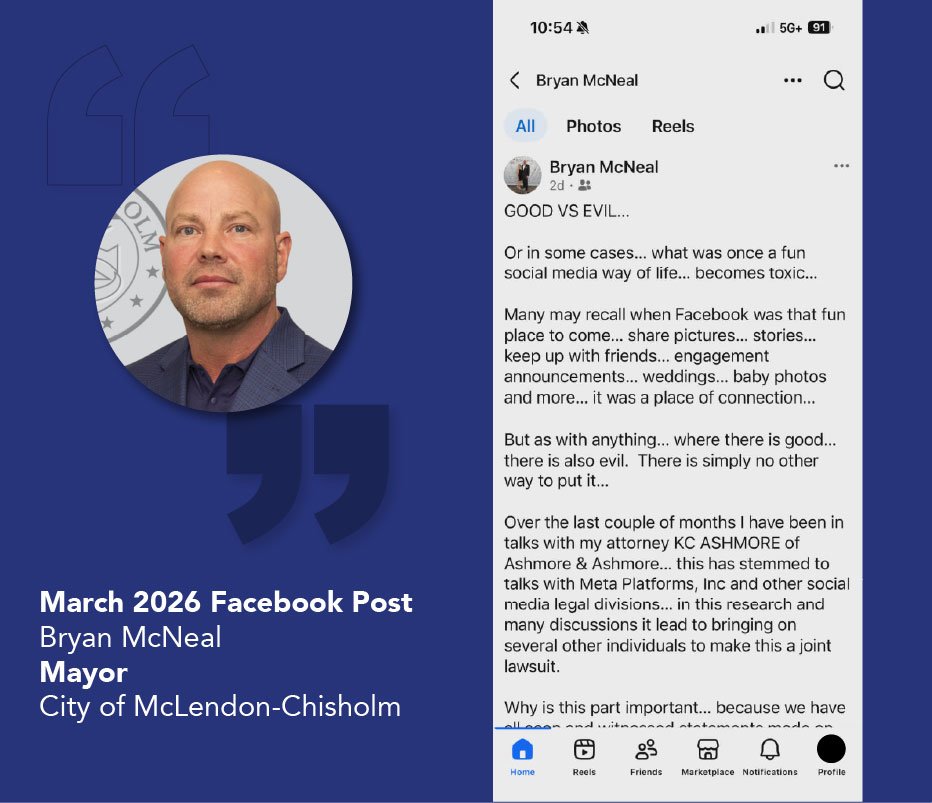
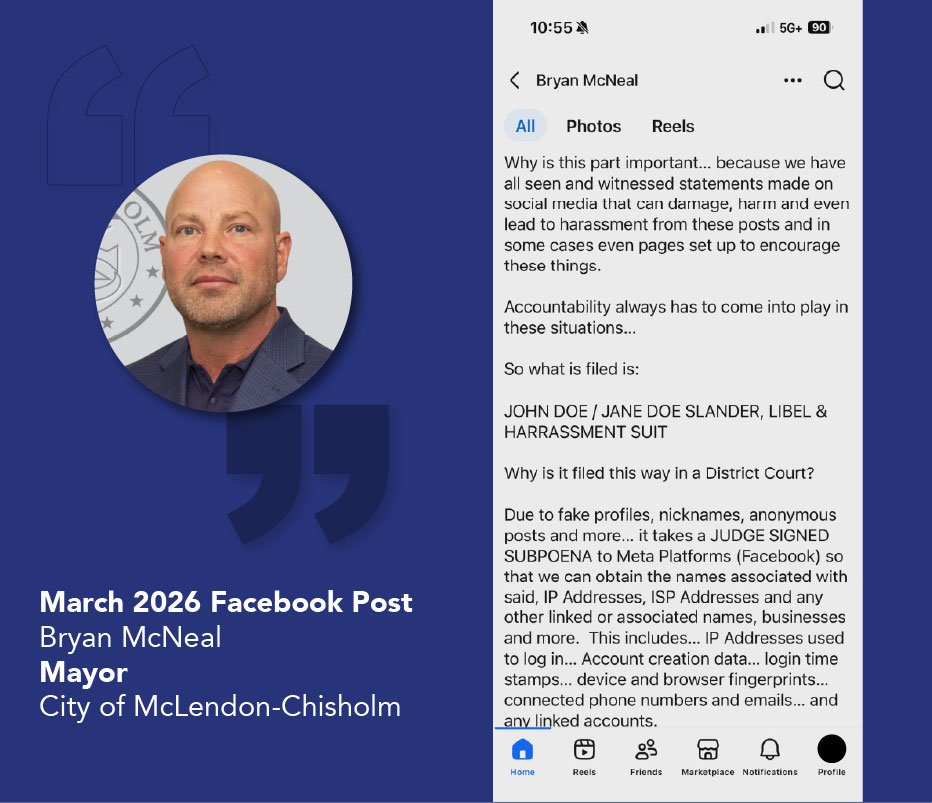
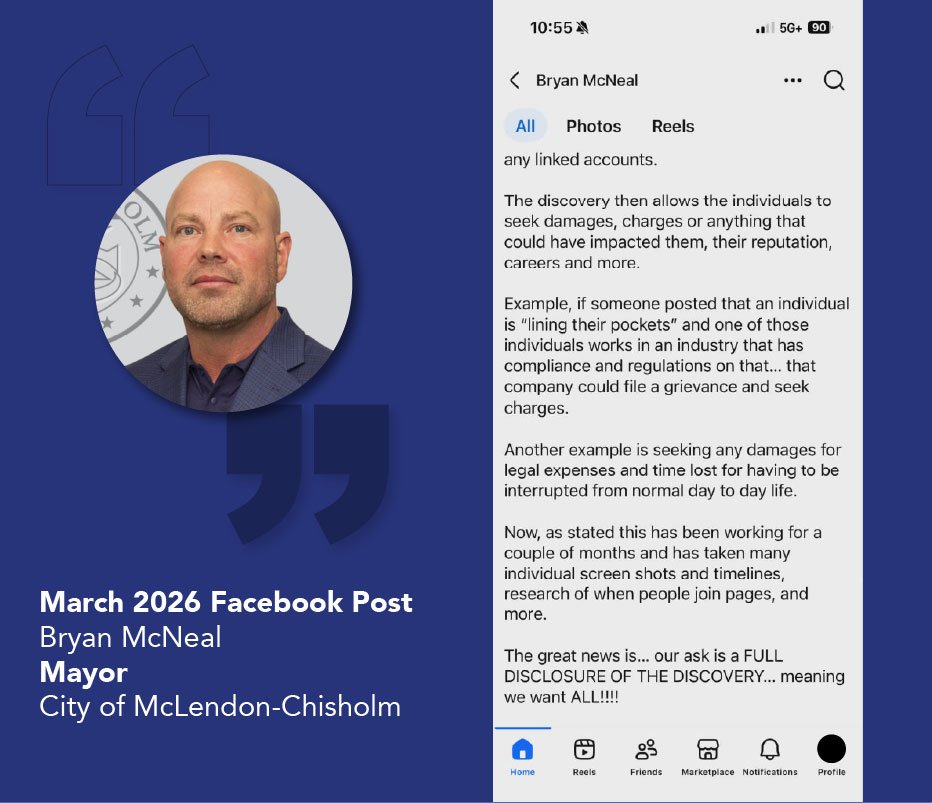
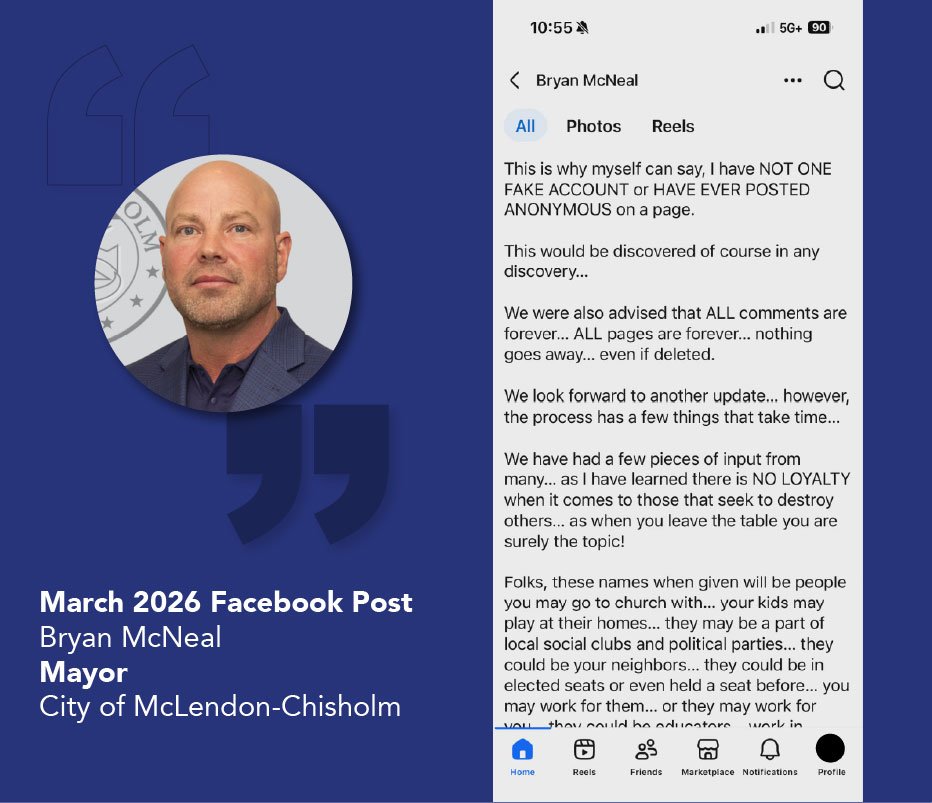
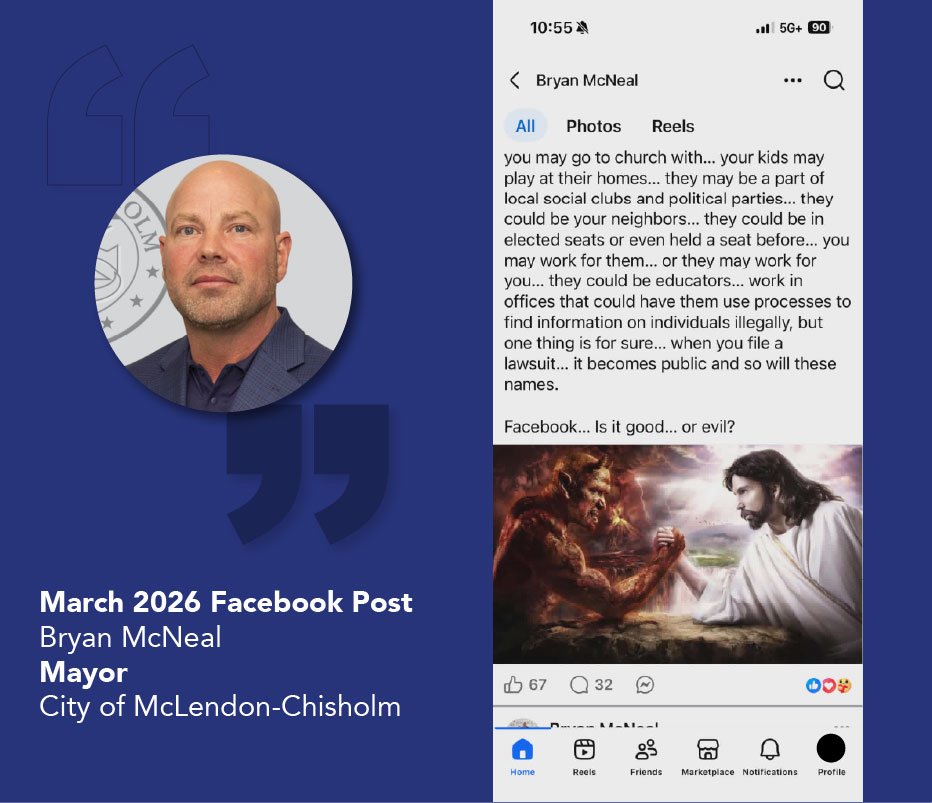
In a series of Facebook posts published before the petition was filed, then-Mayor Bryan McNeal publicly discussed plans to pursue legal action related to social media commentary and online discussions.
McNeal described the anticipated filing as a response to what he believed were defamatory, harassing, and harmful online statements. He claimed that social media forensic analysis had been conducted and suggested that court-authorized requests could reveal account information, email addresses, telephone numbers, IP addresses, browser fingerprints, and other data associated with online activity.
In one post, McNeal characterized the situation as a battle between “good” and “evil” and announced what he described as a “John Doe / Jane Doe Slander, Libel & Harassment Suit.” He also referenced what he called a “full disclosure” and suggested that individuals connected to local churches, civic organizations, workplaces, and even elected offices could become known through the process.
The public messaging surrounding the proposed legal action generated significant discussion throughout the community. At the time, residents were largely relying on public descriptions of the effort rather than the court records themselves, which had not yet been widely circulated for independent review.
Questions About Anonymous Accounts
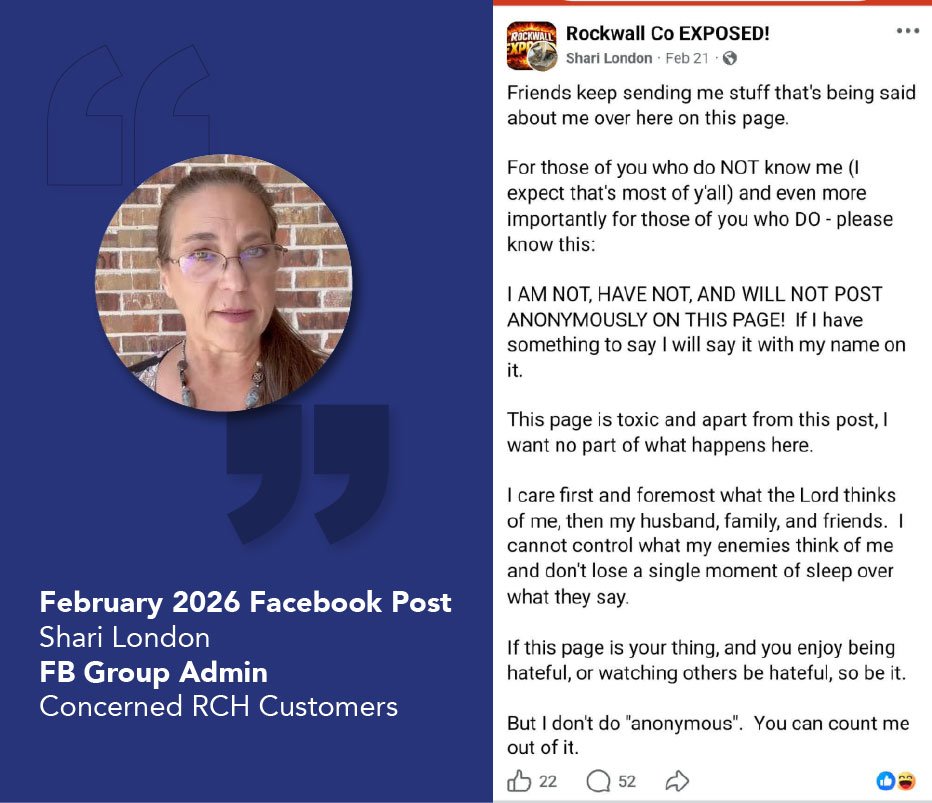
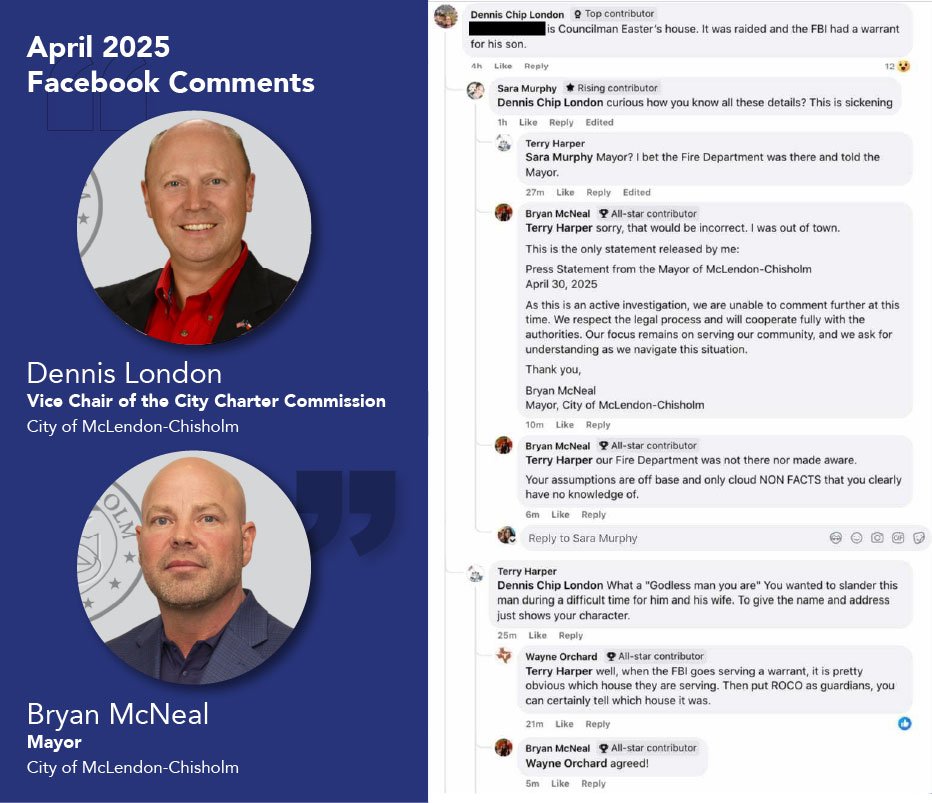
Questions surrounding anonymous online activity were not new to local political discussions.
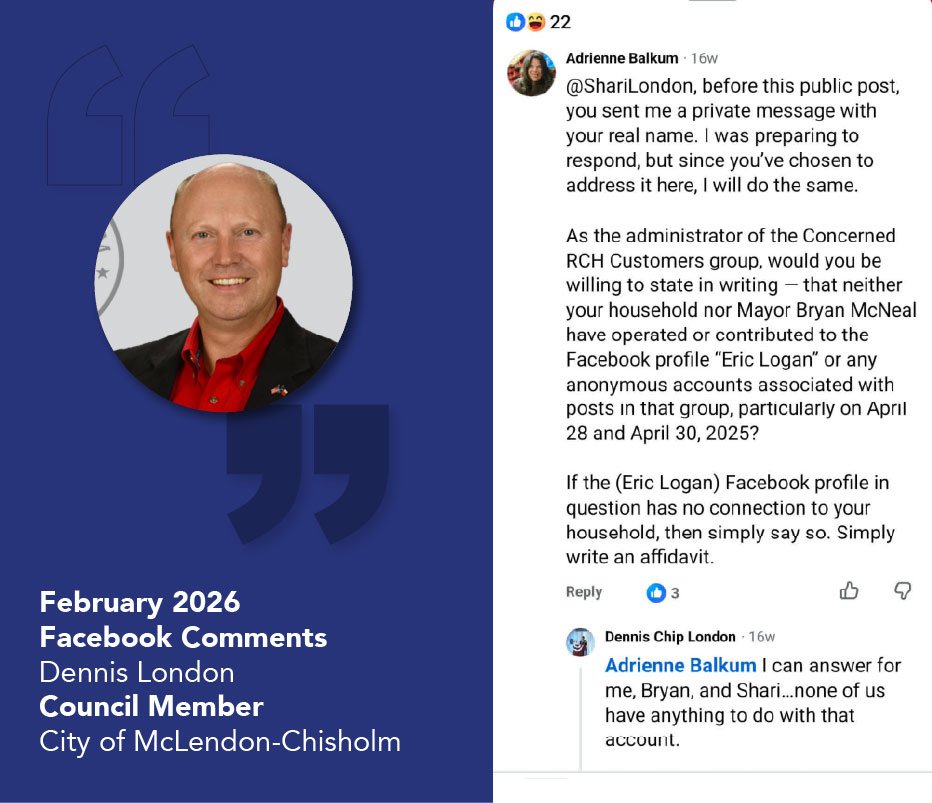
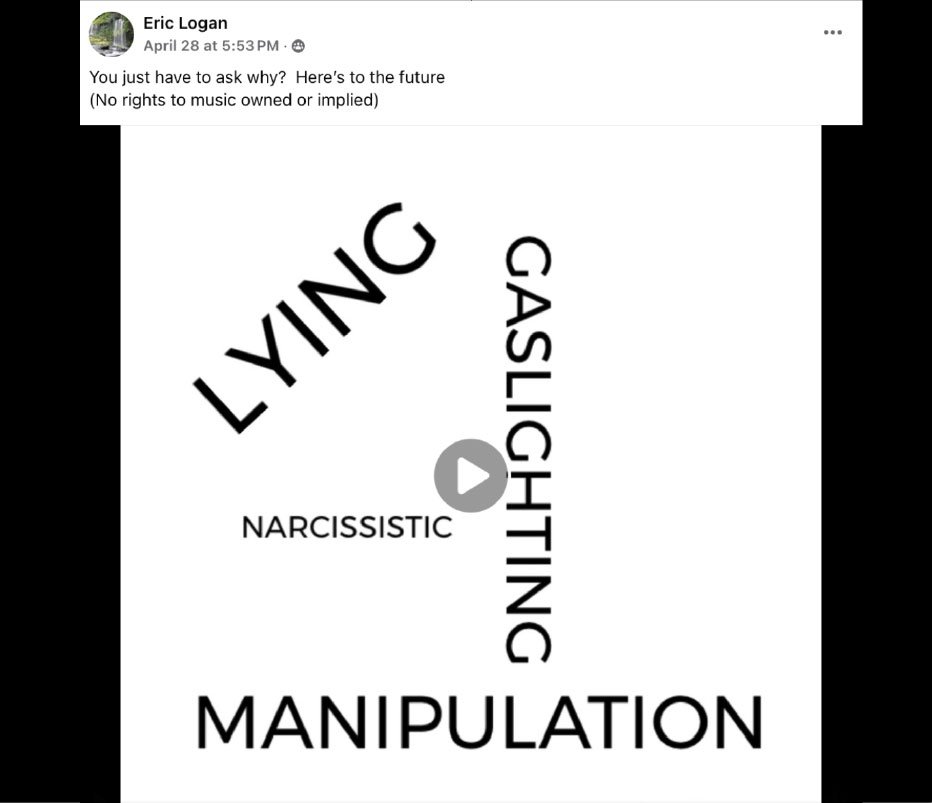
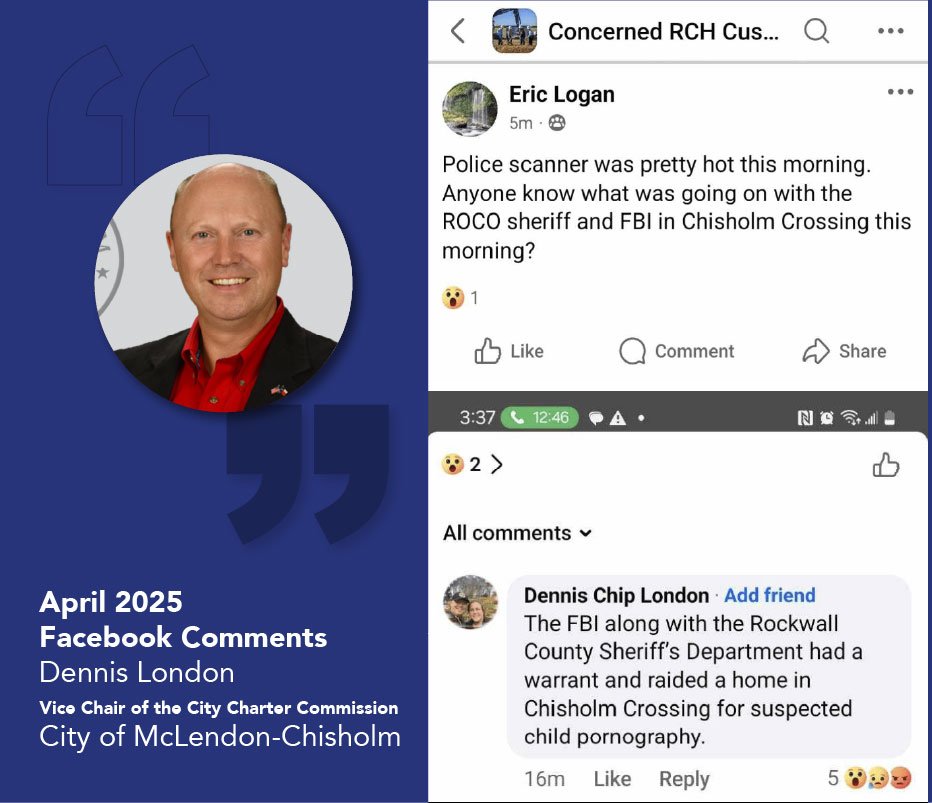
In February 2026, Shari London publicly stated that she did not post anonymously and did not participate in anonymous activity on the Rockwall Co EXPOSED! Facebook page. The discussion followed earlier questions regarding a Facebook profile known as “Eric Logan,” which had become a subject of debate in local political circles.
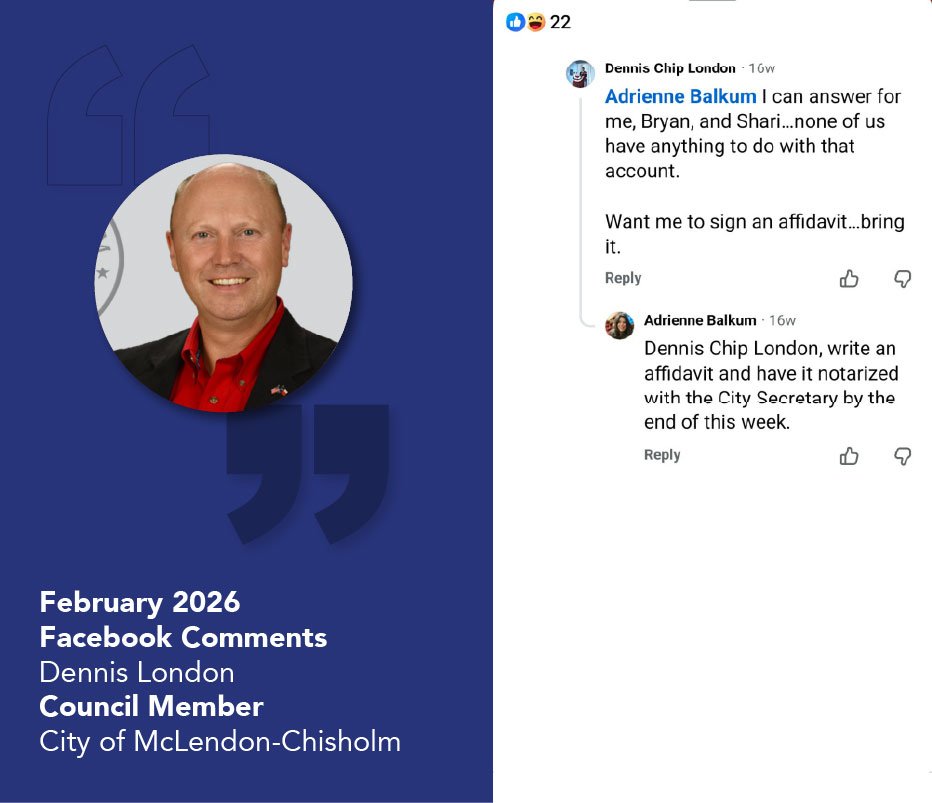
In response to questions raised publicly by this publication, Dennis London stated in Facebook comments that neither he, Bryan McNeal, nor Shari London had any involvement with the Eric Logan account.
When asked to provide a sworn statement, London later executed an affidavit denying that he had created, operated, controlled, contributed to, or posted from the account. The affidavit addressed Dennis London’s own actions and involvement with the account. It did not make sworn representations regarding Bryan McNeal, Shari London, or any other individual.
What the record does show is that disputes involving anonymous accounts and online identities were already being debated months before the Rule 202 petition was filed. Those same issues later became a central focus of the petition, the exhibits attached to it, and McNeal’s public statements surrounding the proceeding.
The petition itself identified numerous social media accounts. Among them was “You_lost_Adrienne_Balkum_,” an account that had previously published posts, comments, and political memes critical of this publication and its publisher. The filing does not explain the basis for including each account identified in the request.
What Is Rule 202?
Texas Rule of Civil Procedure 202 allows a person to ask a court for limited discovery before filing a lawsuit.
In simple terms, the rule can be used to gather information needed to investigate a potential legal claim before deciding whether to move forward with litigation. However, courts do not automatically approve these requests. Judges must determine whether the benefit of allowing the discovery outweighs the burden placed on the individuals involved.
At the Rockwall County Courthouse
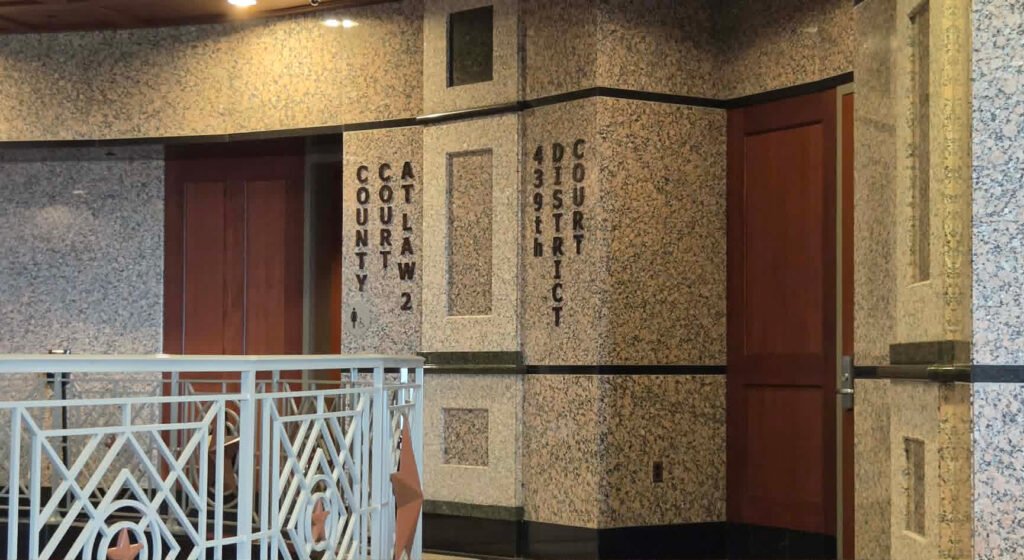
On June 12, 2026, I arrived at the Rockwall County Courthouse around 8:00 a.m. expecting to observe developments related to the Rule 202 petition.
During my visit, I learned that the matter had taken a different procedural path than many following the case may have expected. I did not observe Bryan McNeal, Dennis London, or representatives from Ashmore & Ashmore at the courthouse that morning.
Like many court proceedings, the most significant developments ultimately appeared in the court record rather than in a courtroom hearing.
Public Trust, Transparency, and Accountability
The court’s dismissal resolved the Rule 202 proceeding. It did not resolve the broader public questions that surrounded it.
The larger issue extends beyond a single court filing and speaks to the relationship between elected officials and the citizens they serve. Accountability is often discussed in terms of what citizens owe to government. Yet accountability also works in the opposite direction. Residents routinely ask questions of elected officials, review public records, and evaluate whether public statements align with documented facts.
Throughout the public discussion, considerable attention was placed on identifying others and examining online activity. Many of the broader debates centered on transparency, public trust, and whether public claims matched the public record.
Transparency is not simply a slogan used when it is convenient. Public trust is earned when residents have access to information and can evaluate the actions of public officials for themselves. Whether readers view this petition as a legitimate legal effort or as something that raised concerns about public criticism and citizen participation, the record is now available for the community to review and draw their own conclusions.
Share Your Perspective
The court proceeding may be over, but the broader questions surrounding public accountability, anonymous speech, transparency, and public trust remain topics of discussion within the community.
What are your thoughts on the issues raised in this case?
I welcome respectful comments and additional information related to this story. Readers with relevant documents, records, or firsthand knowledge may contact me via email.
Review the Record for Yourself
One of the benefits of public records is that residents do not have to rely solely on headlines, social media posts, or secondhand accounts. The documents filed in this matter are available for public review.
Readers are encouraged to examine the filings, exhibits, response, affidavit, and dismissal order for themselves and draw their own conclusions based on the record.
Petition for Pre-Suit Discovery and Exhibits (April 21, 2026)
Doe Defendants’ Response in Opposition (June 11, 2026)
Order of Dismissal Signed by Judge David E. Rakow (June 12, 2026)
Dennis London Affidavit (February 24, 2026)