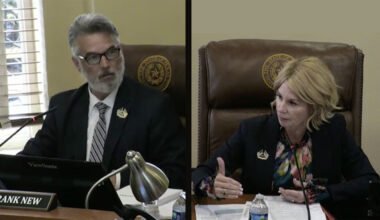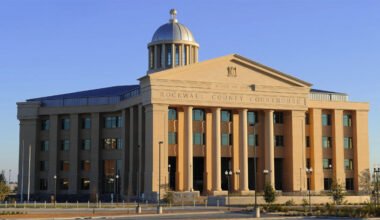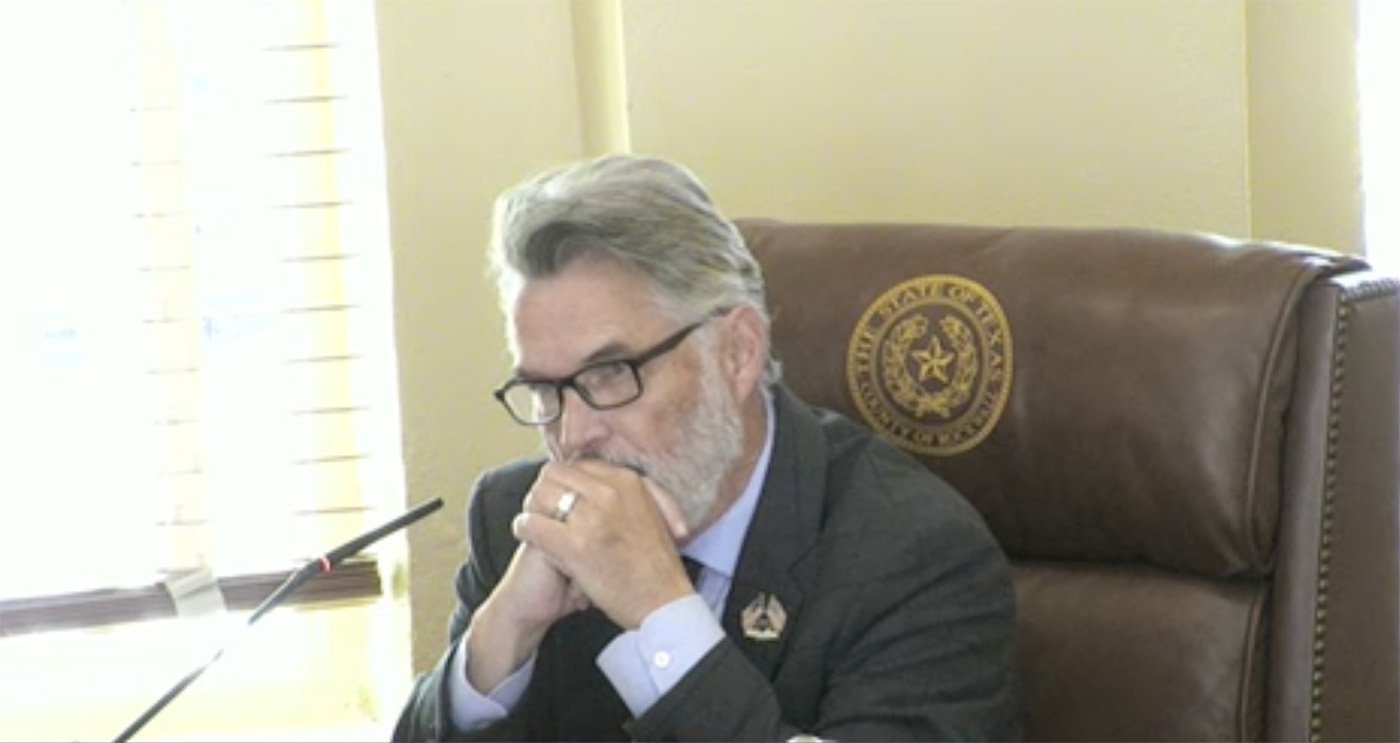

The March 24, 2026 Rockwall County Commissioners Court meeting revealed more than routine agenda discussions. It exposed a Court grappling with internal division, lack of preparation, and growing frustration over stalled infrastructure progress.
Across multiple agenda items, commissioners repeatedly expressed surprise at what was being presented—raising concerns not just about the decisions themselves, but about how and when those decisions were being brought forward.
Even the Basics Sparked Confusion
What began as a simple procedural idea quickly exposed deeper issues.
The Court considered adding a standing agenda item to allow commissioners to preview future topics outside of the standard Commissioners Report.
Commissioner John Stacy framed it as a step toward transparency:
“It would give us a chance to bring up issues we’re working on and ask the court for direction.”
But the discussion quickly unraveled.
Commissioner Dana Macalik raised concerns that vague agenda items could violate the Texas Open Meetings Act, while Commissioner Lorne Liechty questioned whether the idea would even serve a purpose if discussion was restricted.
“If we can’t really talk about it…that wouldn’t be productive.”
No action was taken. Stacy said he would return with more clarity.
A Contract Introduced Before the Court Was Ready
The tone shifted under Agenda Item 24.
Commissioners were asked to consider a new engineering services contract with DCCM Infrastructure, Inc.–one that would shift responsibilities away from ITS.
Commissioner John Stacy presented the proposal as a restructuring of how the County manages infrastructure work, including project oversight and coordination.
But the Court’s reaction was immediate.
Commissioner Lorne Liechty described the item as a “total surprise,” noting that legal work had already been completed before the Court had meaningful discussion.
Commissioner Dana Macalik echoed the concern, calling the item premature and questioning whether it should have gone through a formal RFQ process.
As the discussion unfolded, several issues came into focus:
• Only one firm had been formally interviewed
• The legal basis for the contract was disputed by staff
• Funding assumptions were unclear
• And the County Engineer was expected to take on expanded responsibilities
When asked directly if she could manage the workload, Erica Bridges responded, “No.”
The new engineering services contract ultimately failed.
A Last-Minute Attempt to Rein in the Process
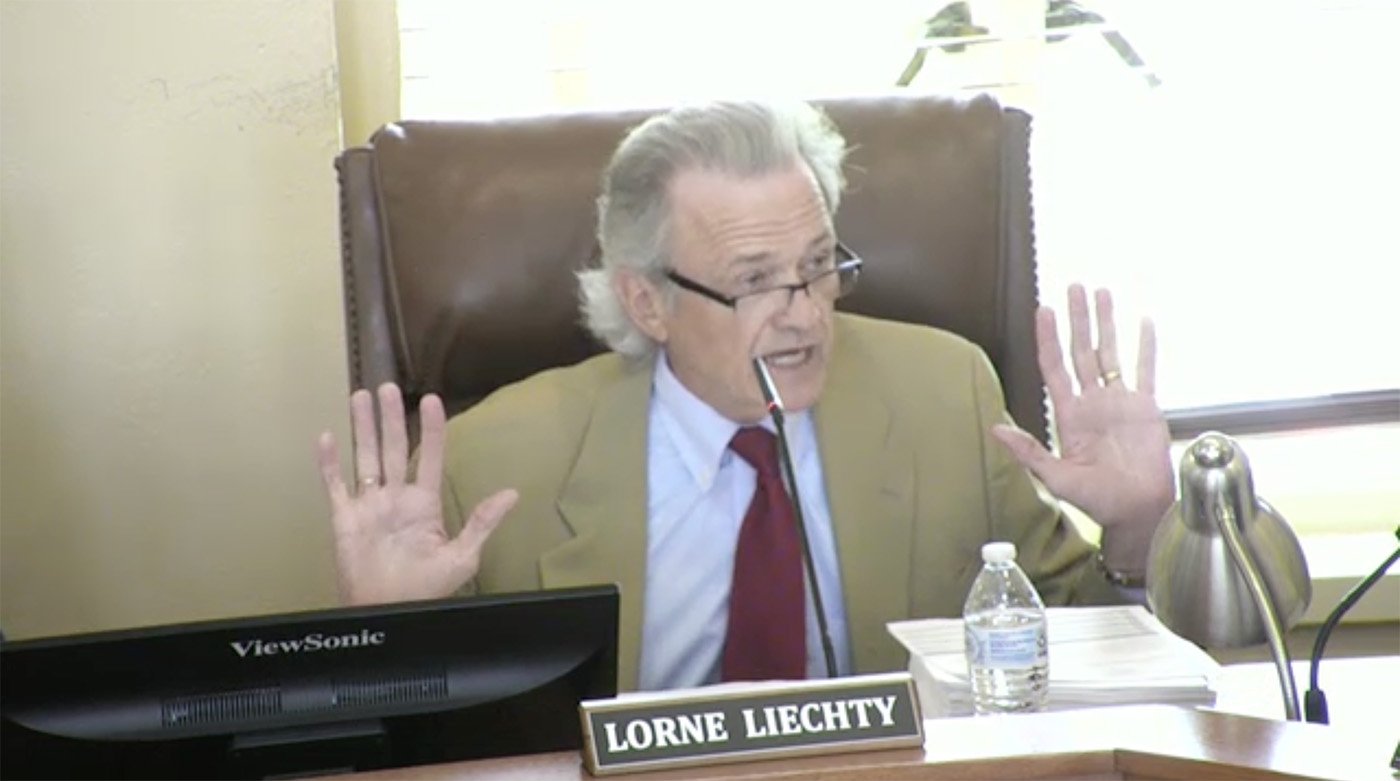
Under Agenda Item 25, Commissioner Lorne Liechty introduced a resolution aimed at slowing the process down.
The proposal would have required full Commissioners Court approval before any action could be taken to terminate the Innovative Transportation Solutions (ITS) contract and would have limited additional legal spending on the issue.
The timing—and scope—raised immediate concerns.
After the County Attorney advised that the resolution likely exceeded what was posted on the agenda, Liechty withdrew the motion.
No Changes to Representation
The Court also declined to act on a proposal to replace Brenda Callaway with County Engineer Erica Bridges on a Regional Transportation Committee, opting to maintain the current appointment for now.
Conflicting Legal Interpretations Surface
One of the most revealing moments came when the County Auditor challenged the legal basis for the proposed contract—contradicting outside legal counsel in open court.
While Commissioner Stacy maintained the contract aligned with state law, staff warned the Court may have been relying on the wrong statutory code and could still be required to follow a qualifications-based process.
The exchange underscored a larger issue: the Court was being asked to consider action without clear legal alignment.
Frustration Over Roads Comes to the Surface
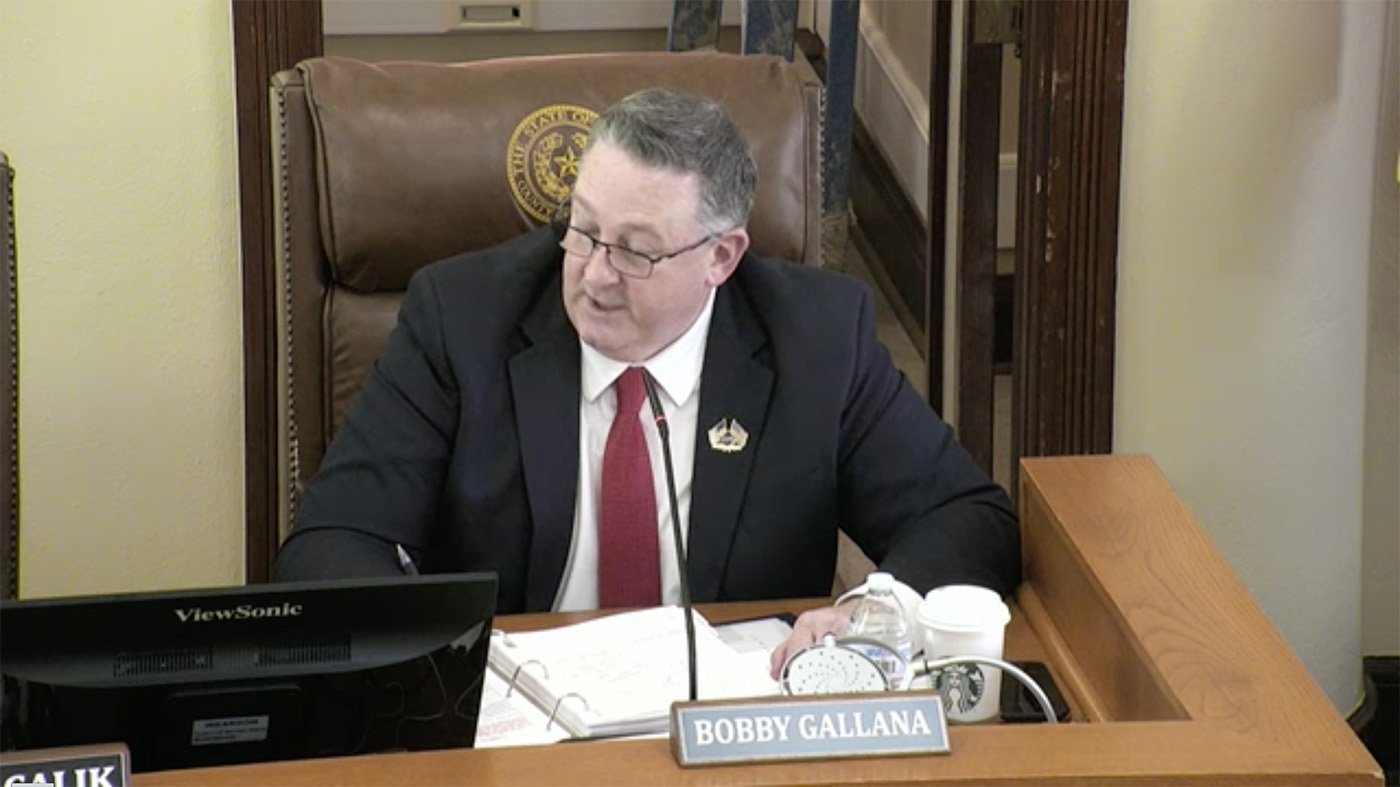
By the time the discussion returned to the ITS contract, frustration had fully surfaced.
Commissioner Bobby Gallana put it plainly, “Something’s off.”
He pointed to years of road projects with limited visible progress and described the process as “stale.”
Commissioner Lorne Liechty acknowledged concerns about recent actions by ITS consultant John Polster, calling a public letter “a dumb letter” and “tone deaf”.
But he cautioned against reacting without a plan.
Liechty warned that terminating the contract could:
• End a relationship in place since 2006
• Leave the County paying $120,000 for unused services
• And disrupt ongoing projects
He also revealed that more than $5,500.00 in legal fees had already been spent—without full Court awareness.
“Reckless Leadership” Becomes the Central Question
Commissioner Dana Macalik delivered the most direct assessment of the meeting:
“I call this reckless leadership.”
Her concerns centered on a pattern:
• Major items introduced with little notice
• Decisions lacking preparation
• And leadership practices that had gone unchecked
Judge Frank New pushed back, calling her remarks a “dishonest reassessment.”
The moment marked a shift—from policy disagreements to questions of trust and accountability.
A Court Reacting in Real Time
Throughout the meeting, a pattern emerged.
Commissioners acknowledged that progress on infrastructure has been slow. They questioned the process. They raised concerns about communication and oversight.
Yet despite that recognition, no decisive action followed.
Major items were introduced, debated, and ultimately left unresolved.
No Action—But a Clear Signal
In the end, the meeting produced no major decisions. But it did reveal something more significant.
A governing body:
• Questioning its own process
• Confronting internal frustration
• And beginning to surface concerns that had not been publicly addressed before
The March 24 meeting did not resolve the County’s infrastructure challenges.
But it made one thing clear:
The questions are no longer being asked quietly.
If you would like to stay informed on Rockwall County developments, you may subscribe for updates. Readers are also welcome to share respectful thoughts in the comments or reach out by email.