
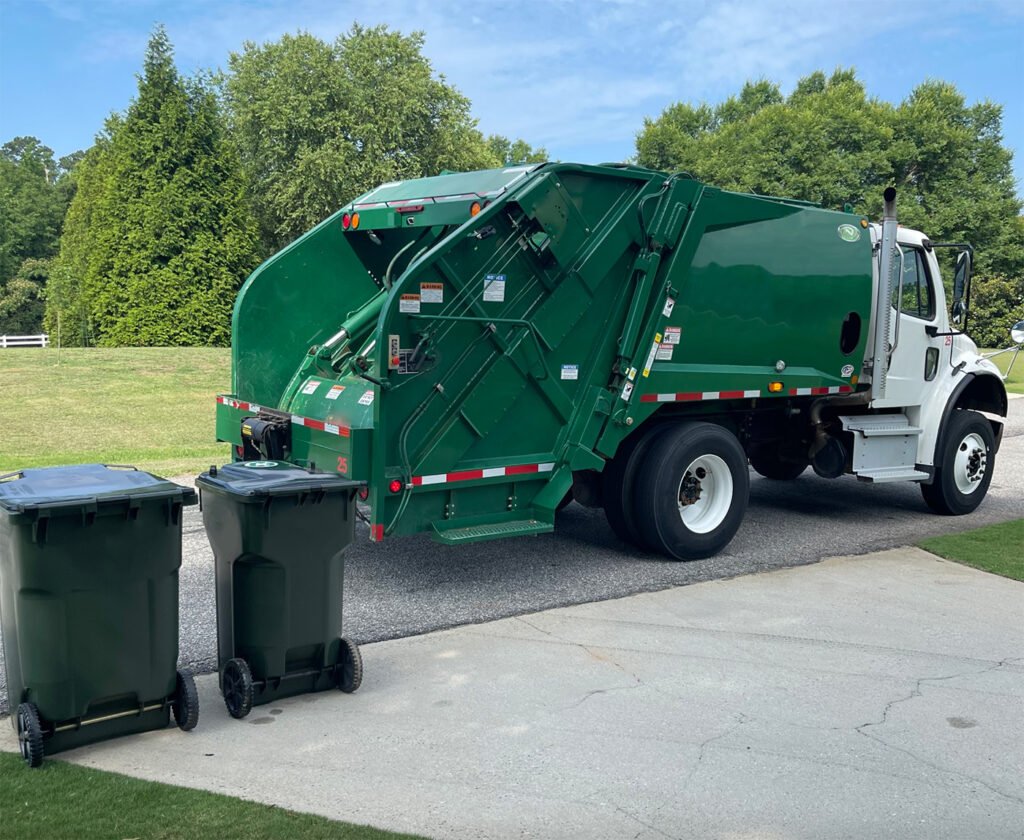
Do you remember the frustration surrounding last year’s trash service renewal with the City of Rockwall?
Many residents raised concerns about rising rates, new polycart requirements, and the absence of a competitive bid process. Public comment reflected dissatisfaction from households who felt they were paying more while receiving less service.
February 18 Consortium Meeting: Beyond Roads

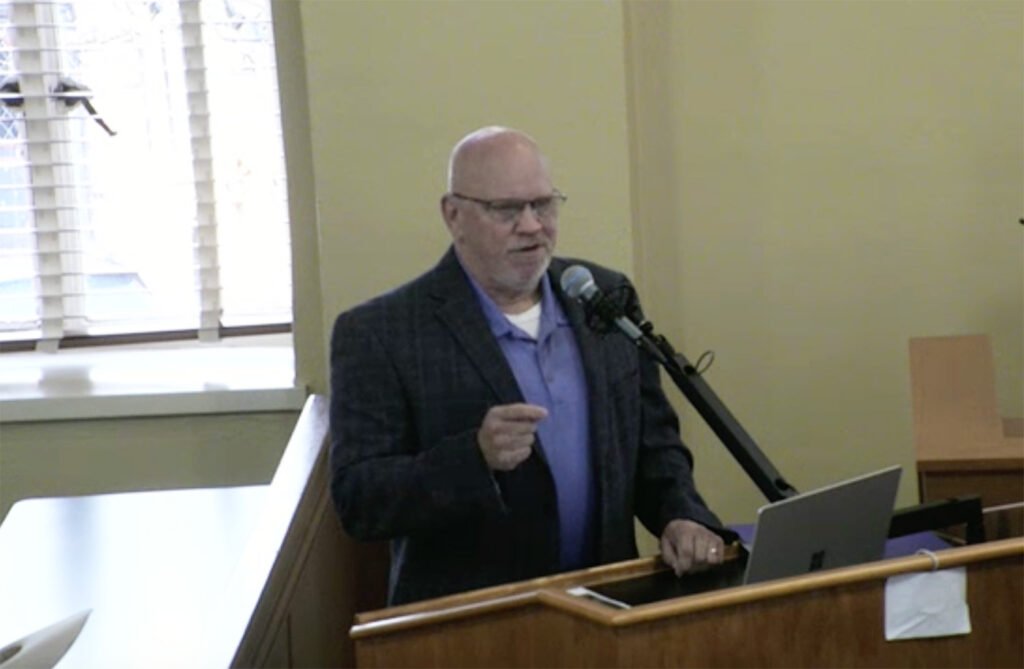
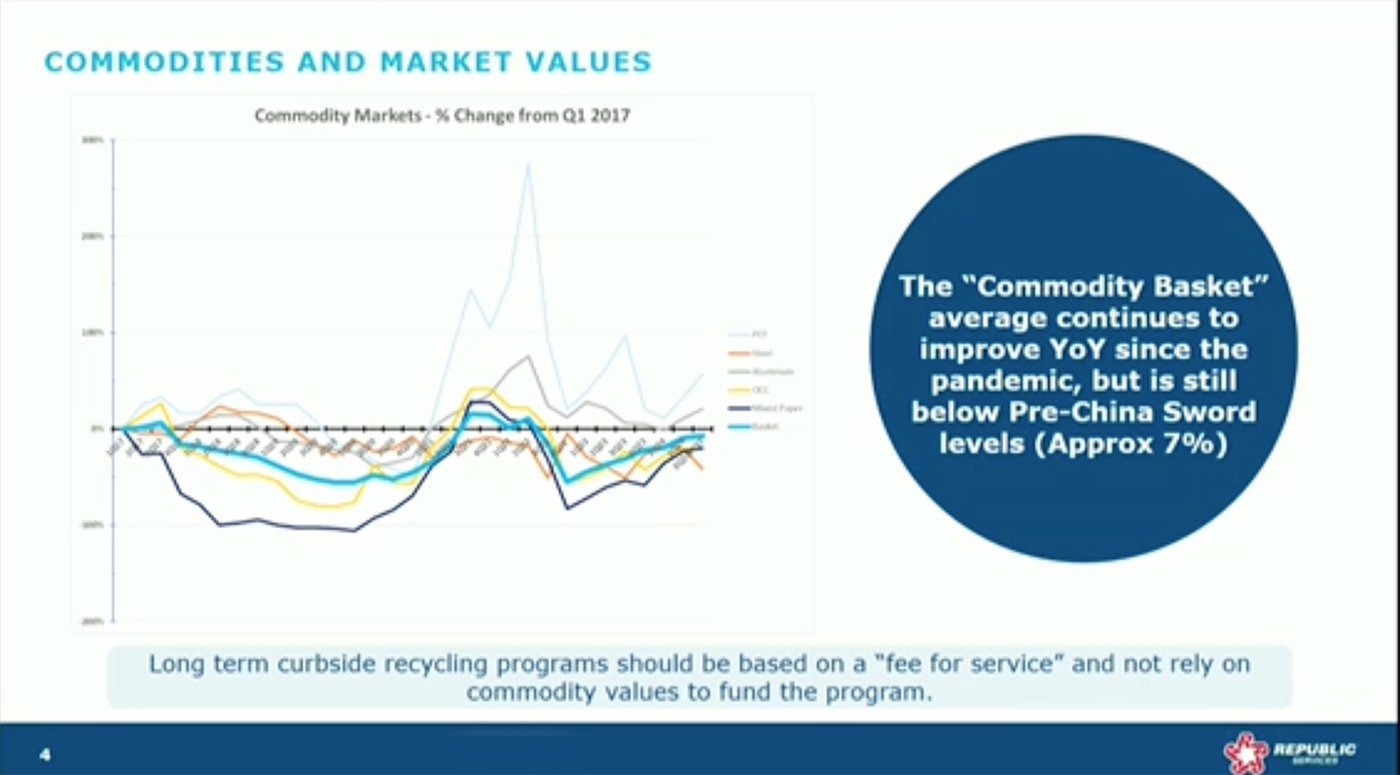
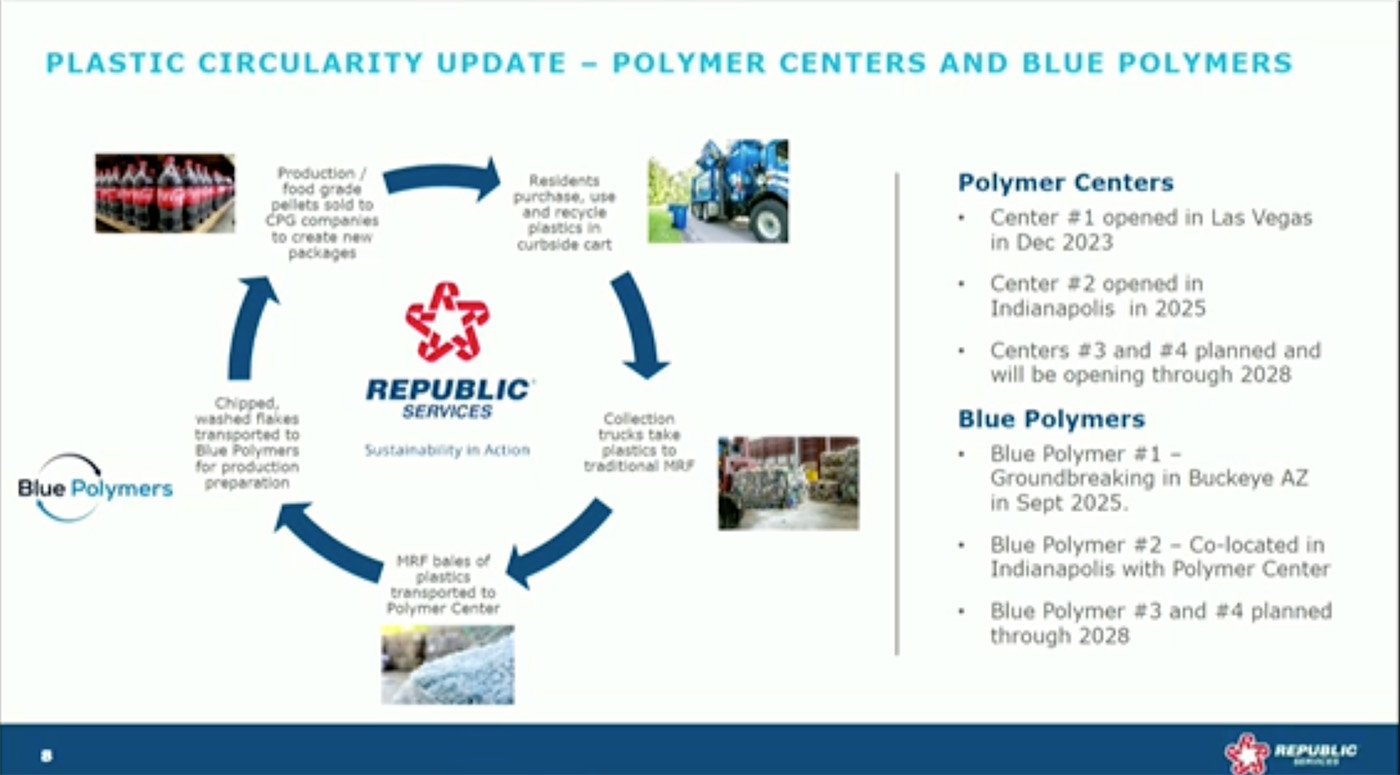
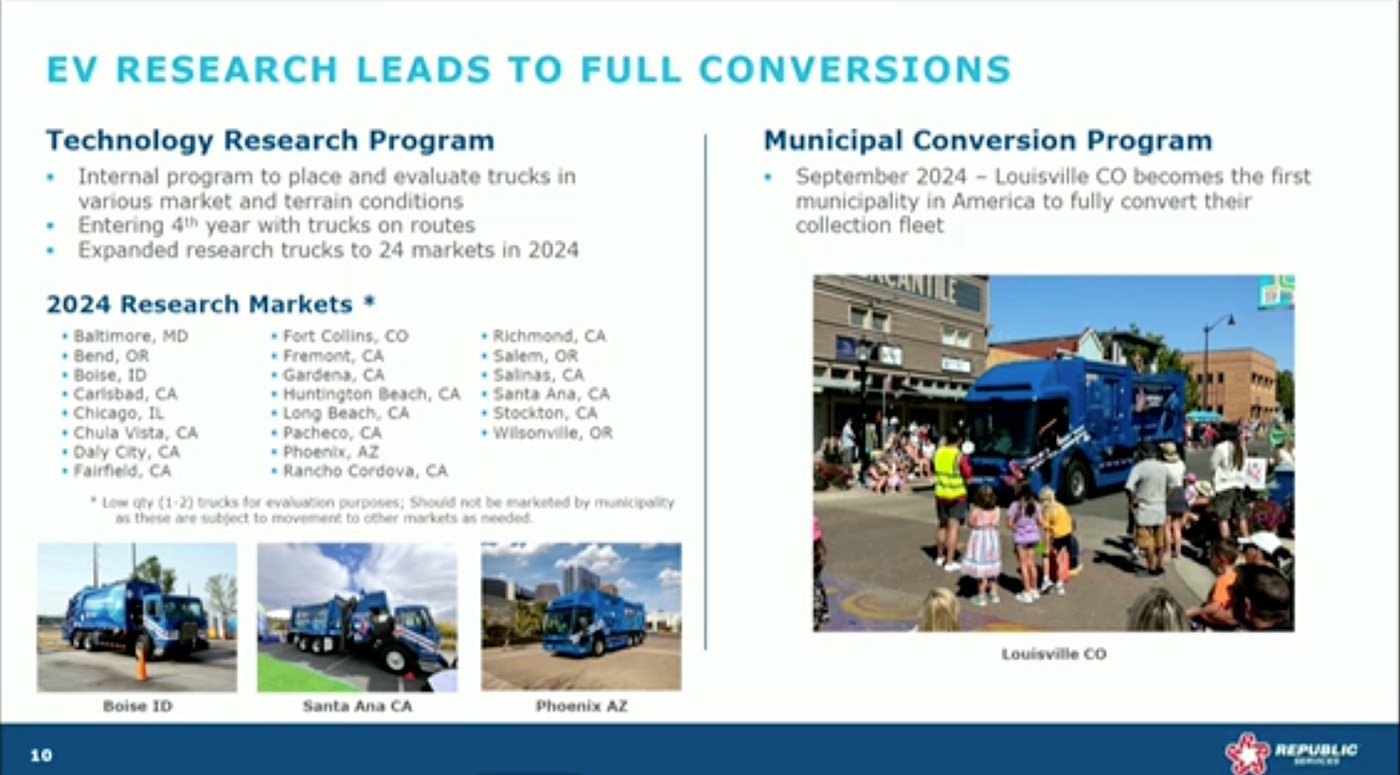
At the Rockwall County Road Consortium — now operating under the name Infrastructure Consortium — Judge Frank New invited Rick Bernas of Republic Services to deliver an industry update presentation. The presentation itself was informative, covering landfill capacity, recycling economics, and national trends affecting pricing.
During the meeting, trash services were discussed as one of sixteen categories the County now considers “infrastructure.” That framing expands the scope of the consortium beyond roads and transportation.
For many residents who choose to live outside city limits, county government traditionally provides limited services — roads, law enforcement, and basic administrative functions. Expanding into municipal-style services such as exclusive trash franchising represents a structural shift in how county governance operates.
The distinction is less about a specific vendor and more about the broader philosophy of county governance.
When “Infrastructure” Includes Trash

Early in the meeting, Judge Frank New explained that the Road Consortium has “segued” into an Infrastructure Consortium and that the County has identified 16 items it considers infrastructure — including trash services.
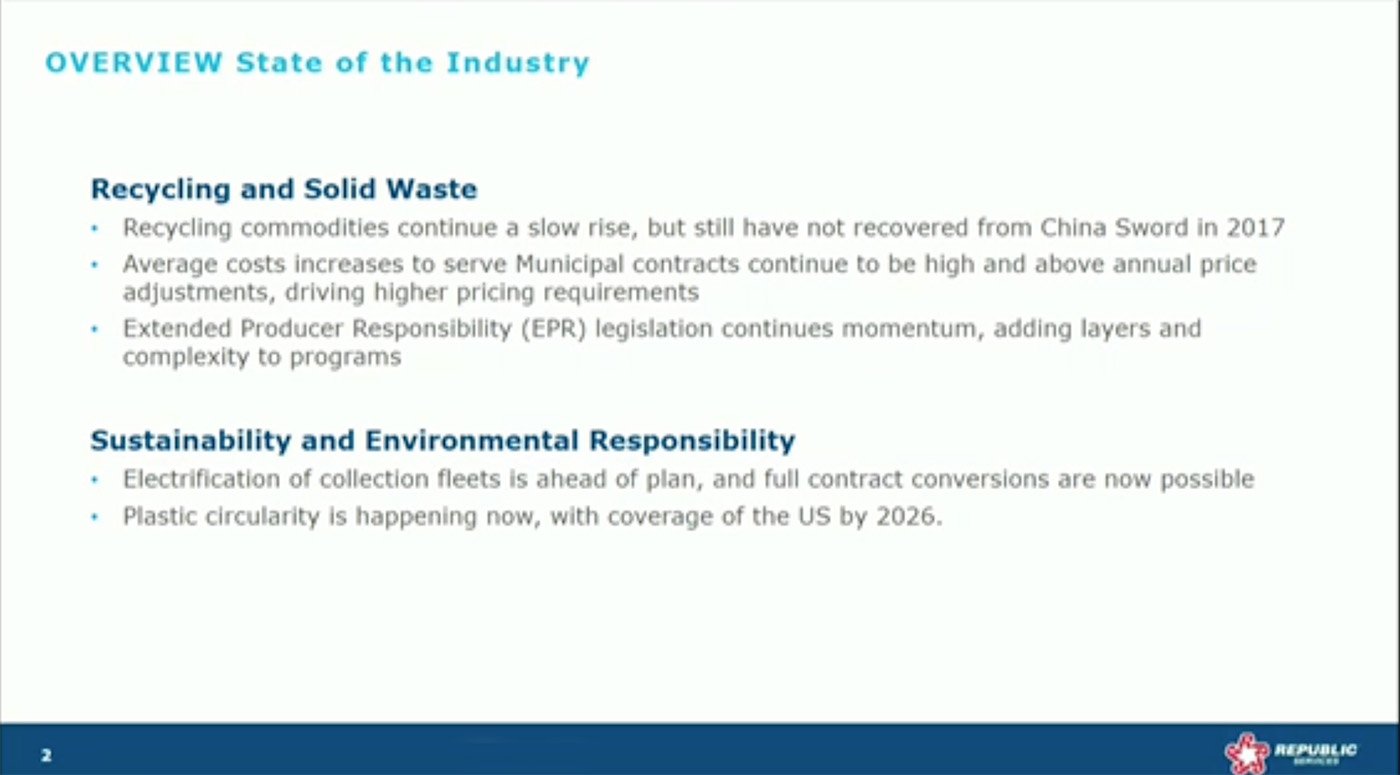
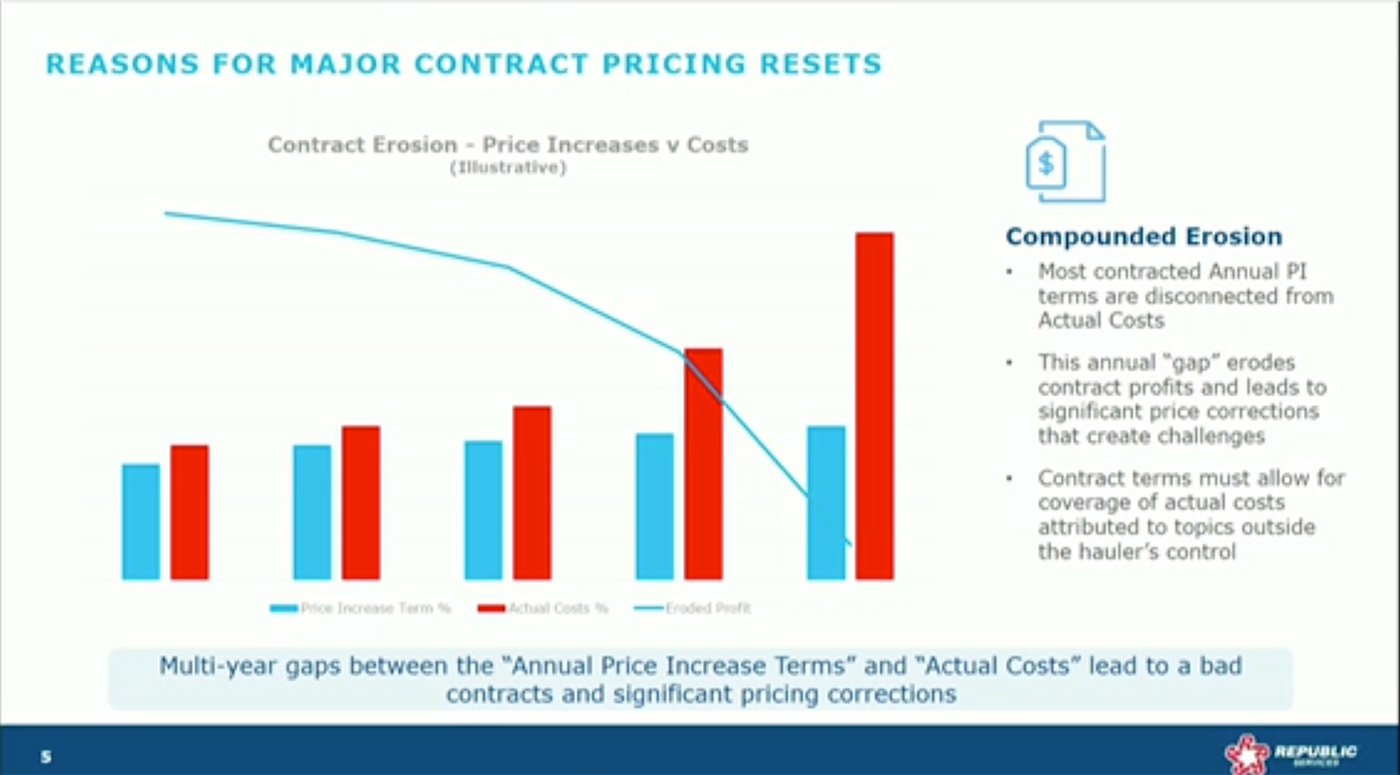
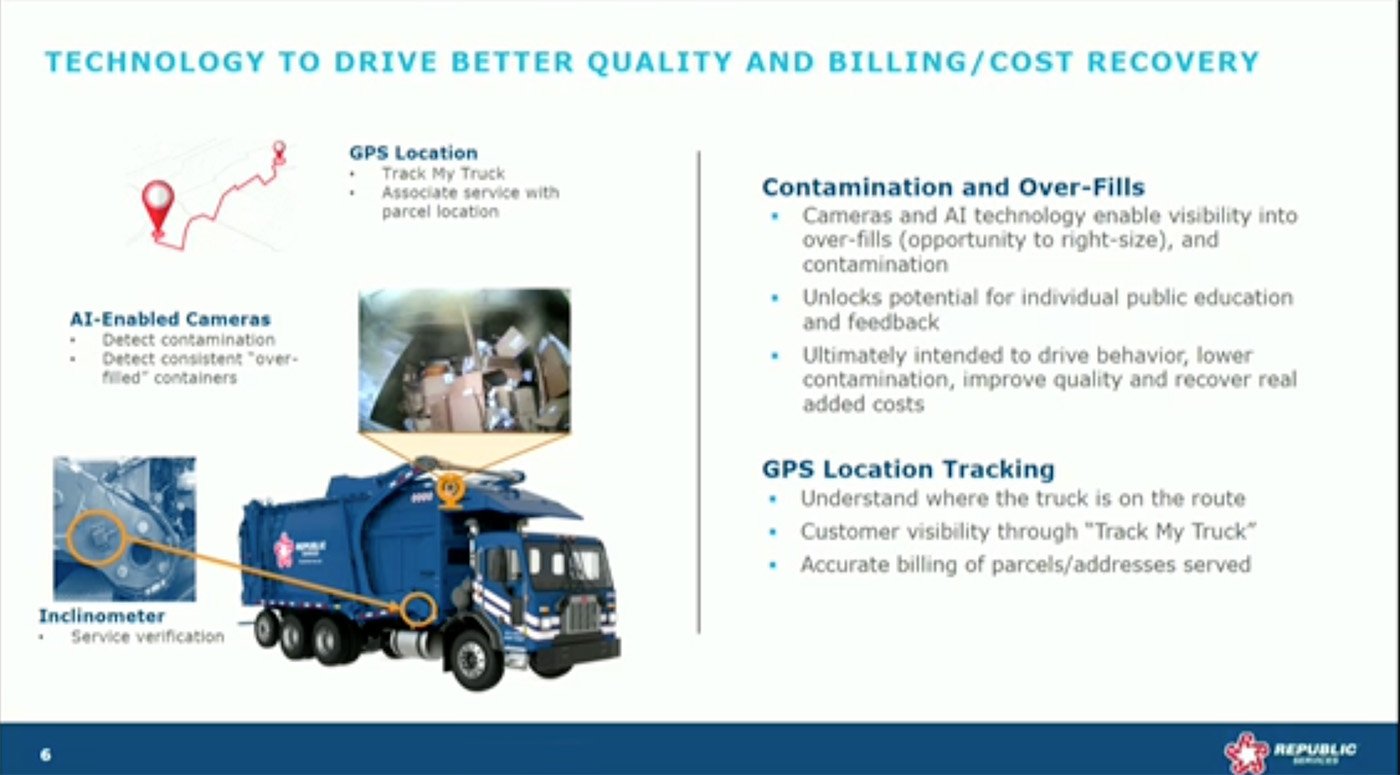
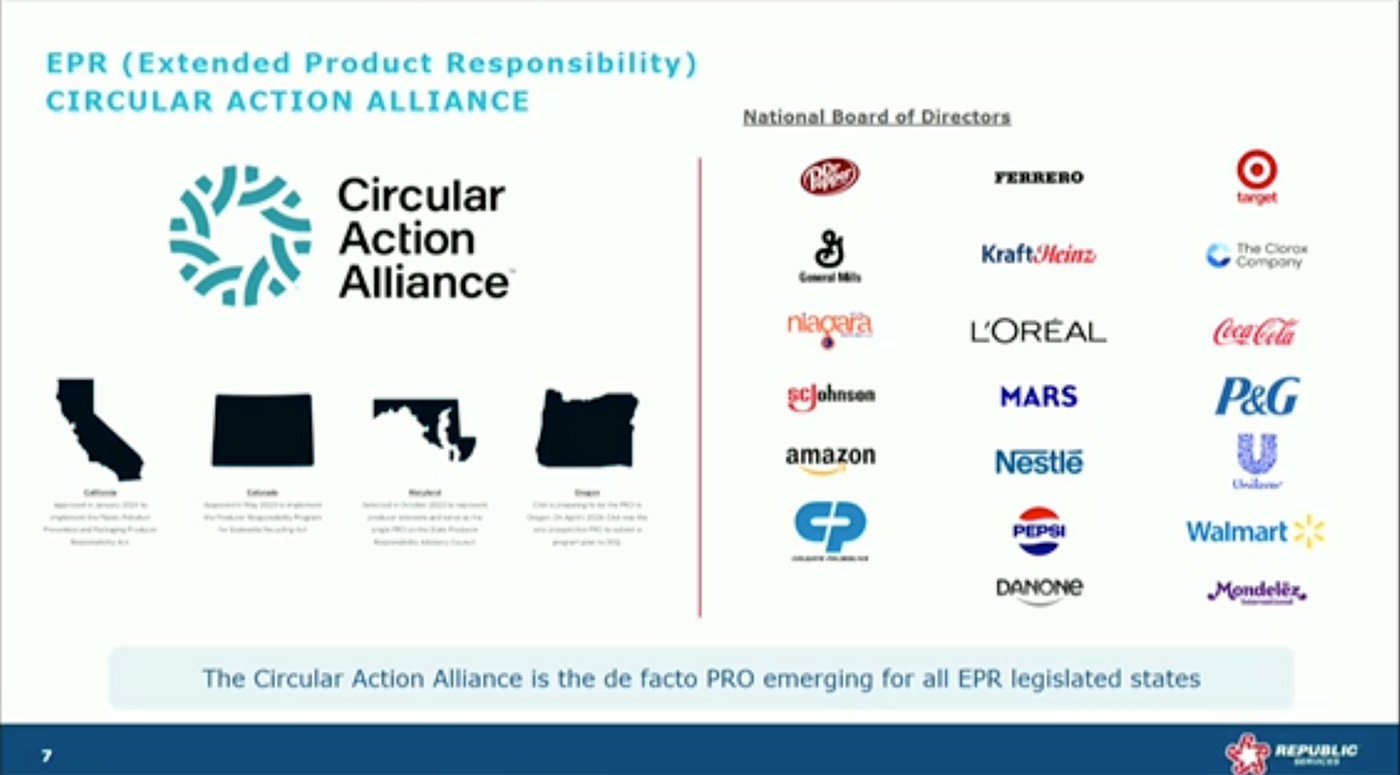
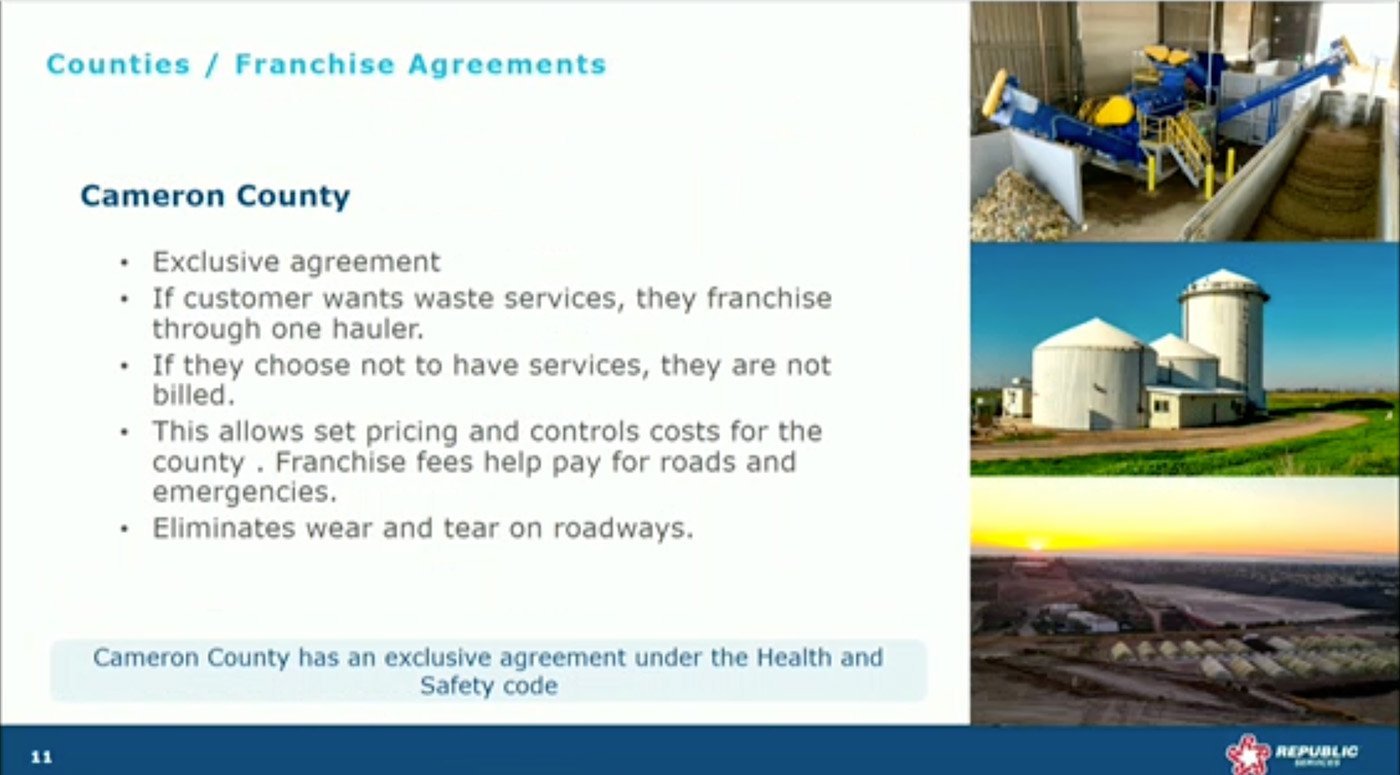
Republic Services provided an industry presentation outlining landfill capacity, recycling economics, and trends in solid waste contracts. The discussion turned to whether a county franchise model — similar to city exclusive agreements — could provide cost control and reduce road wear from multiple haulers servicing the same subdivision.
Under an open market system, a neighborhood may see several different carriers entering on different days of the week, increasing heavy truck traffic on residential roads.
However, the conversation also revealed a key tradeoff.
When asked about county franchise structures, Republic Services acknowledged that servicing lower-density areas would cost more.
In other words, while exclusive agreements can create efficiencies in cities with higher density, the math shifts in rural or semi-rural county areas where homes are spaced farther apart.
The presentation did not include a formal proposal, but it introduced the concept of county-level franchise authority — a departure from the county’s traditionally limited service model.
For some residents, the question may be whether expanding into municipal-style services aligns with the original intent of the consortium.
If the Rockwall County Commissioners Court were to pursue a countywide exclusive contract for trash services, key questions would follow:
• Would it apply only to new developments or to existing neighborhoods?
• Would residents have input before implementation?
• And when did trash collection become classified as county infrastructure?
Those are policy questions — not political ones — and they deserve public clarity.
Prepared Projects, Accelerated Results
Senior TxDOT official Mo Bur, a Rockwall County resident, opened the meeting with praise for the Rockwall County Consortium’s proactive transportation efforts.
He pointed to FM 549 as a clear example of partnership in action. The County used bond program funds to complete the schematic design for the corridor and contributed 10 percent toward right-of-way acquisition. TxDOT and regional partners, including the North Central Texas Council of Governments (NCTCOG), also committed funding.
Because the project was prepared in advance, it was positioned to take advantage of favorable bidding conditions. As statewide bids began coming in lower than anticipated in 2025, TxDOT was able to accelerate certain ready projects. FM 549 moved from a projected 2029 timeline to a 2026 delivery.
The project ultimately bid below estimate, further reinforcing the benefit of readiness.
Beyond funding mechanics, Bur emphasized the practical impact. The widened four-lane divided roadway will improve traffic flow, reduce congestion, and enhance safety with designated turn lanes serving nearby developments.
His message was direct: when local governments complete their groundwork and invest early, state partners are better positioned to respond.
The principle was straightforward — preparedness strengthens partnerships and can shorten timelines.
When Regional Funding Carries Expectations

Toward the end of the meeting, discussion shifted to comments made at the February 12 Regional Transportation Council (RTC) meeting.
Rockwall City Council Member Dennis Lewis sought clarification regarding references in the RTC Director’s report and the County’s relationship with the regional body. He noted that the agenda item had appeared late and expressed concern about how the matter surfaced.
Lewis then asked directly whether any portion of the recently approved $50 million bond issuance had been directed toward the Southern Outer Loop.
The response was straightforward.
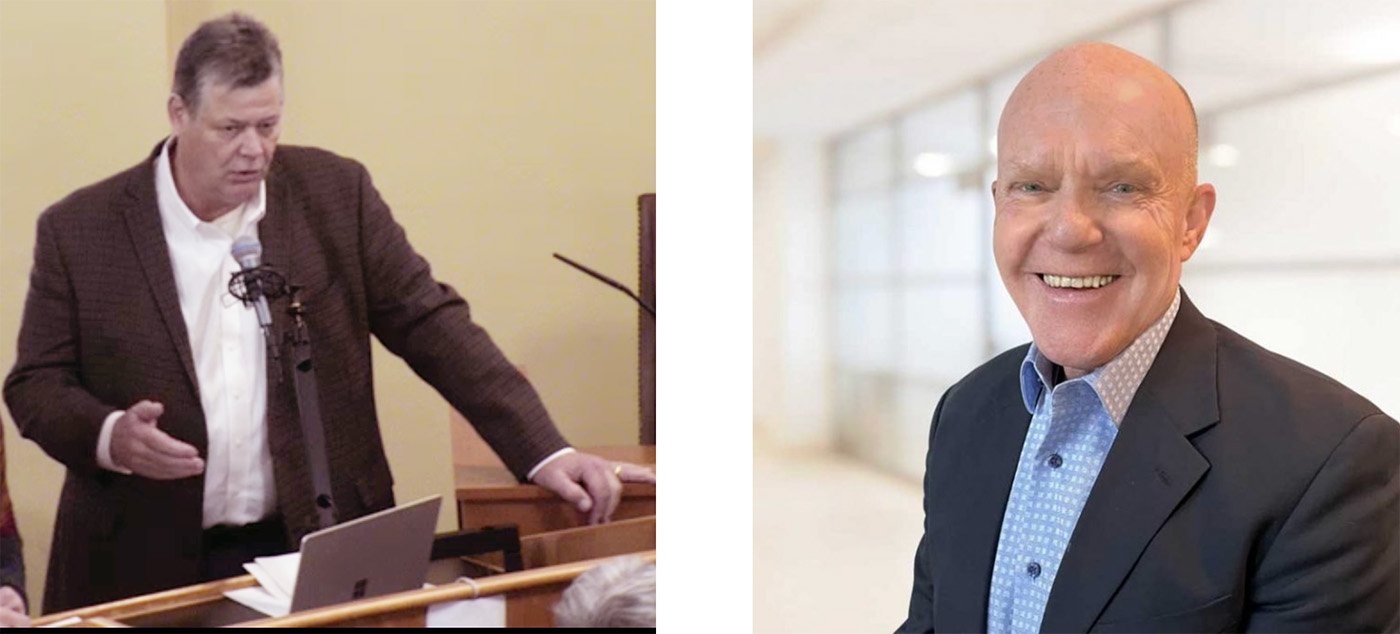
“No sir.” said John Polster, President of Innovative Transportation Solutions, Inc.
Polster explained that while bond projects are moving forward, none of the current funds have yet been applied to the Outer Loop.
He further acknowledged that RTC has already advanced funding into the regional pipeline based on prior commitments. If the County ultimately chooses not to proceed with the southern segment, the decision would rest with RTC on how to respond.
Polster characterized the situation as still workable, noting that a draft Memorandum of Understanding (MOU) by Commissioner Lorne Liechty is being reviewed before it is presented to the Rockwall County Commissioners Court. Once approved, it would be submitted to TxDOT and RTC for consideration.
Lewis closed the exchange with a candid observation:
“We’ve always had a good relationship with RTC and the bottom line is they’ve got what we need and that’s money for roads. So I would hope that our relationship was gonna continue on a good standing with the RTC.”
The exchange underscored a broader reality of regional transportation planning: partnership involves both opportunity and expectation.
From trash services to transportation funding, the discussion illustrated how local decisions intersect with regional partnerships. How those priorities align moving forward will shape both policy and public trust.
To receive updates on Rockwall County governance and infrastructure discussions, consider subscribing. Civil dialogue is welcome in the comments, or you may send an email directly.
View February 2026 Road Project Status Updates: Rockwall County Road Consortium Report