The future of the proposed Outer Loop transportation corridor through southern Rockwall County dominated discussion during the March 10, 2026 Rockwall County Commissioners Court meeting, as officials considered a proposed Memorandum of Understanding (MOU) with the North Central Texas Council of Governments (NCTCOG).
The agreement outlines how Rockwall County could participate in planning the roadway, including funding an environmental study and working with regional transportation partners to shape the route and mitigate impacts on neighborhoods.
The discussion revealed both the complex regional pressures behind the project and deep concerns among county leaders about maintaining local control over development and transportation planning.
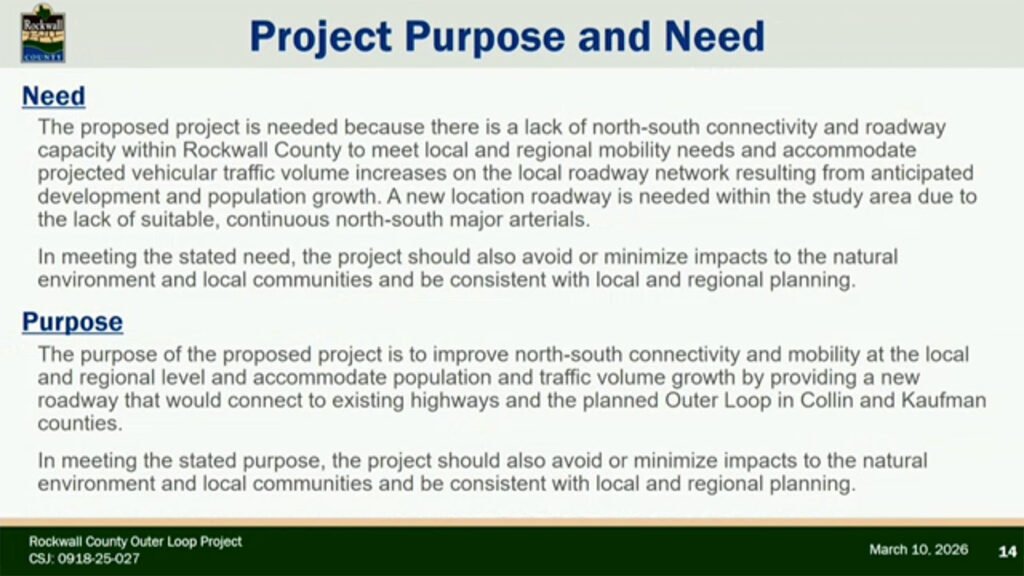
The Outer Loop is a long-planned regional transportation corridor intended to improve north-south mobility across North Texas as population growth continues across Collin, Denton, Kaufman, Hunt, and Rockwall counties.
According to Commissioner Lorne Liechty, the project has been under discussion for more than two decades and has involved multiple counties and transportation agencies.
During the meeting, Liechty explained that the proposed MOU was developed after months of work with transportation experts and consultants.
“This court has been working on the Outer Loop for at least 20 years,” Liechty told the Commissioners Court while presenting the agreement.
Video Source: Rockwall County Commissioners Court Meeting | March 10, 2026

Liechty said the purpose of the document is to define Rockwall County’s role in the planning process and ensure the county has input in how the roadway is designed.
Without participation, he warned, regional authorities could proceed with planning regardless of the county’s position.
Purpose of the Memorandum of Understanding

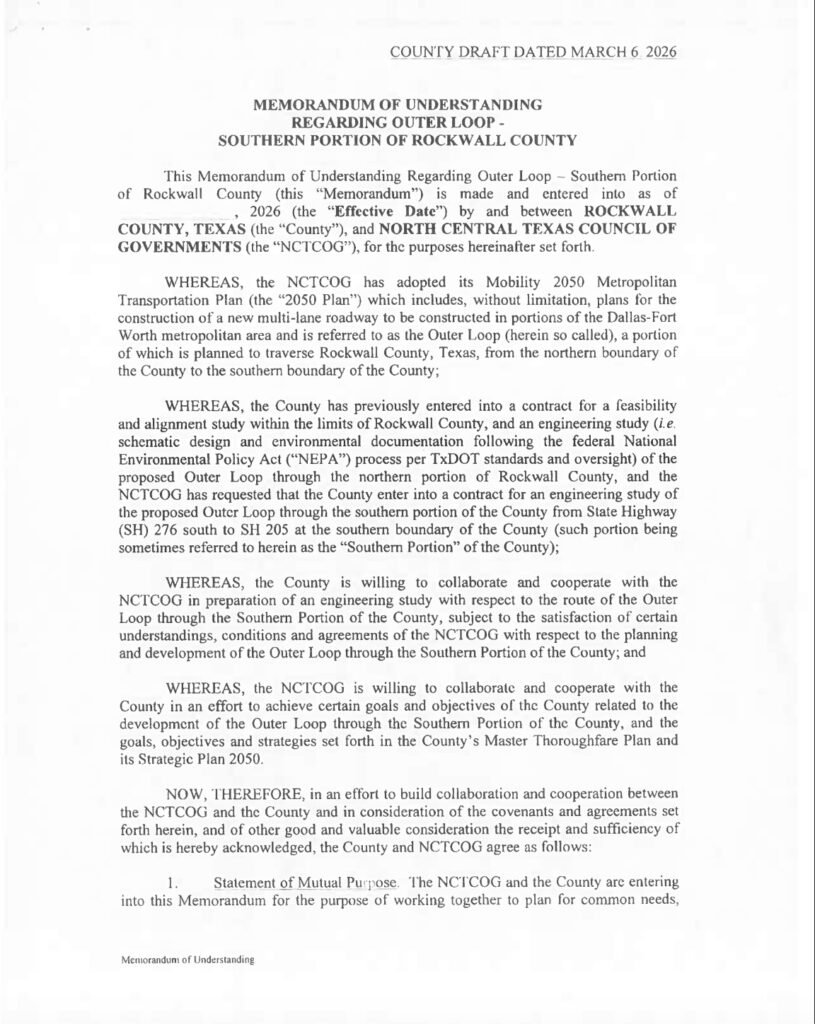
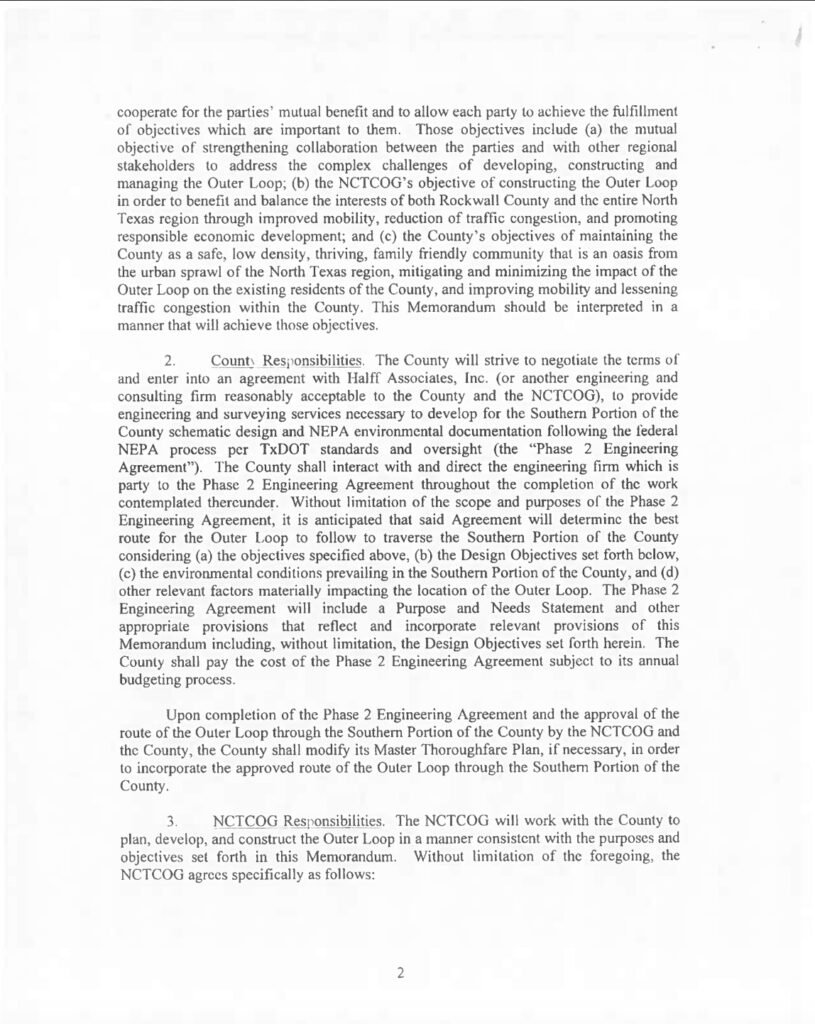

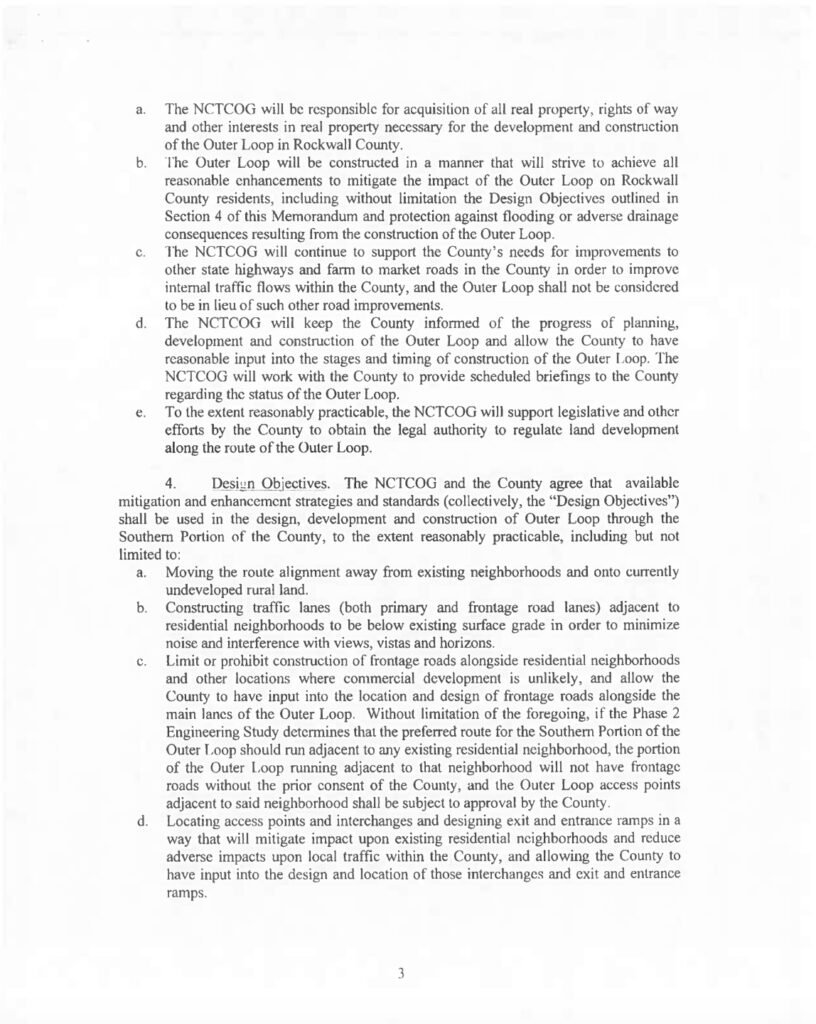

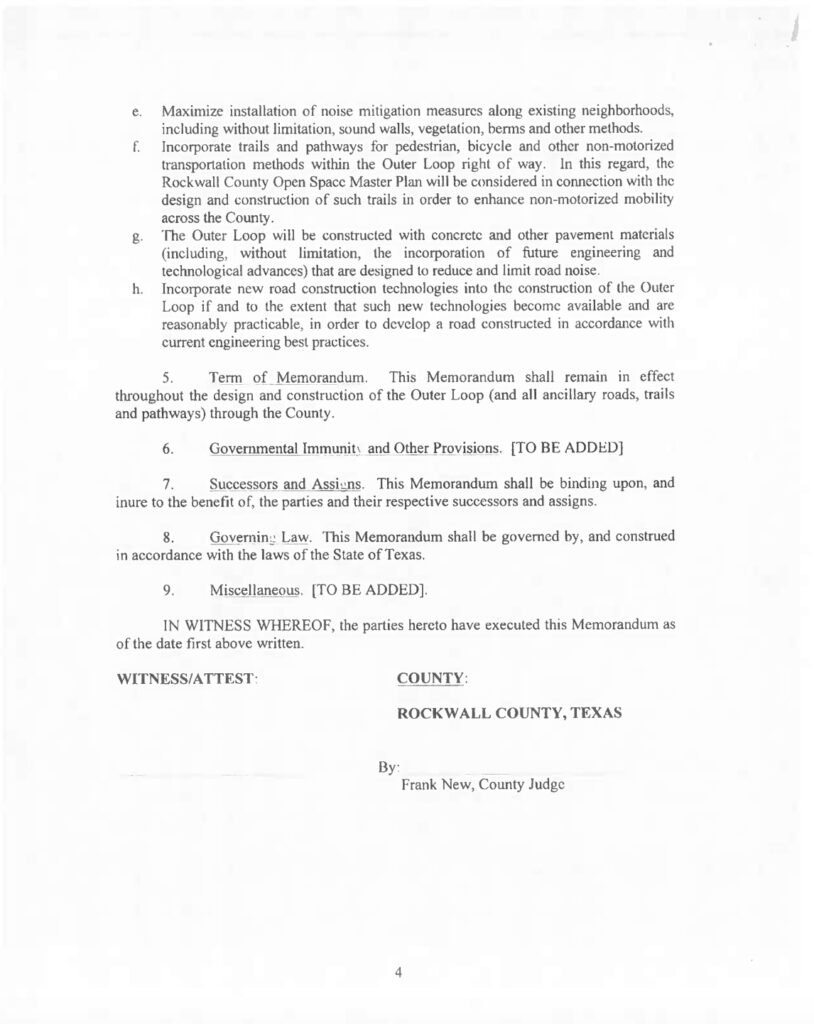
The proposed MOU establishes a cooperative framework between Rockwall County and NCTCOG.
Key components include:
• Rockwall County funding an environmental analysis for the southern portion of the Outer Loop
• Estimated study cost of approximately $7.5 million
• A study timeline of roughly three years
• Collaboration with regional transportation agencies
• Development of mitigation strategies to reduce impacts on neighborhoods
Liechty explained the goal is to allow the county to help shape the route rather than simply reacting to decisions made elsewhere.
“If we wanna have input on it, if we want to have input into the process and try and design these enhancement measures and mitigation measures in the way that’s in the best interests of our citizens. This is, this is how we do it,” Liechty said.
Engineering Presentation: How the Route Could Be Designed

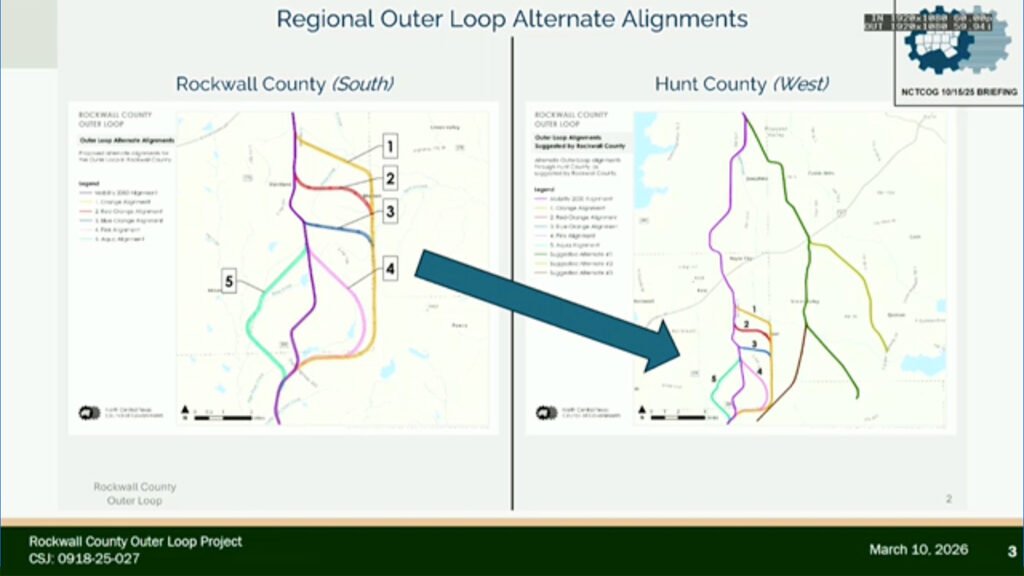
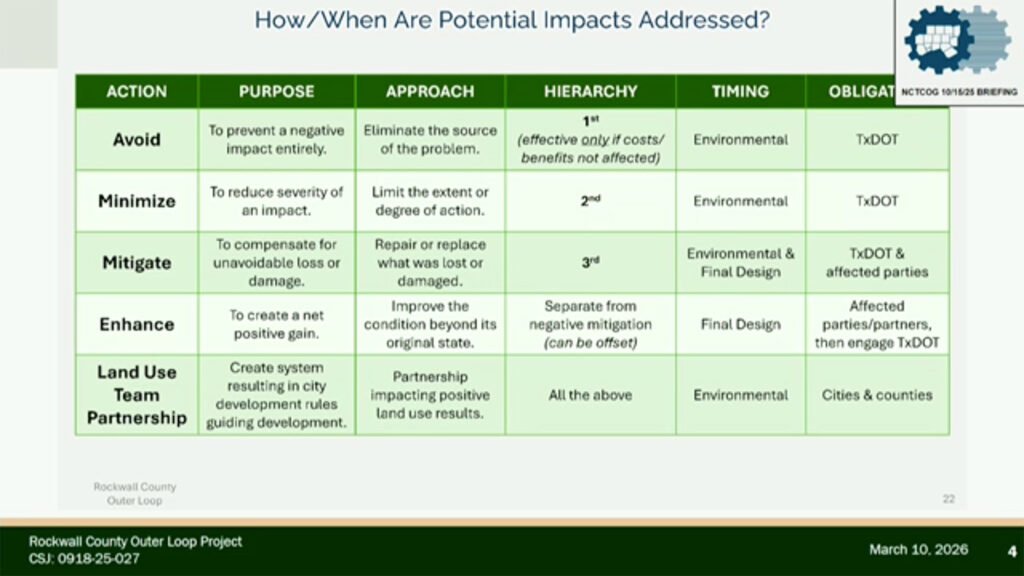
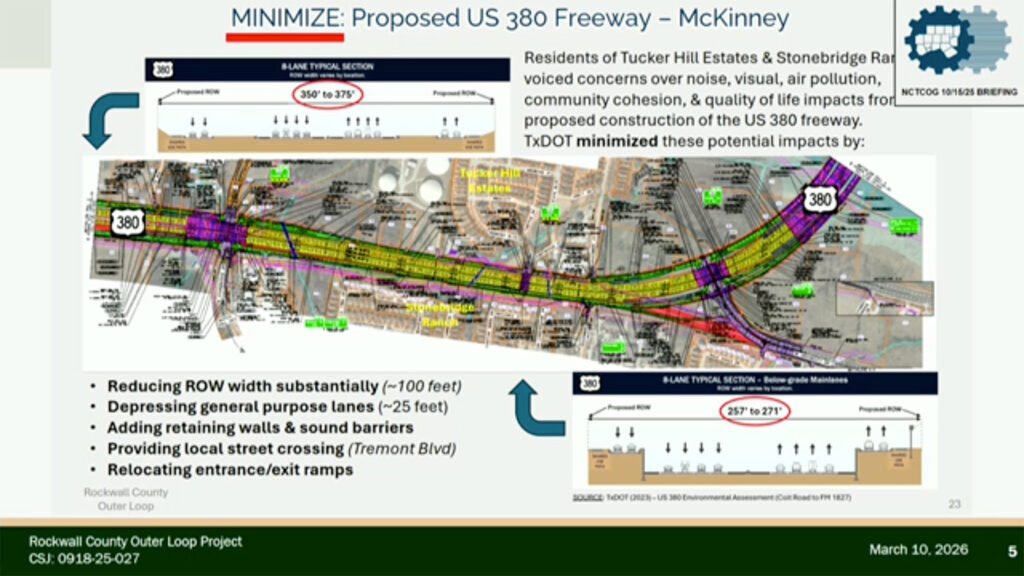
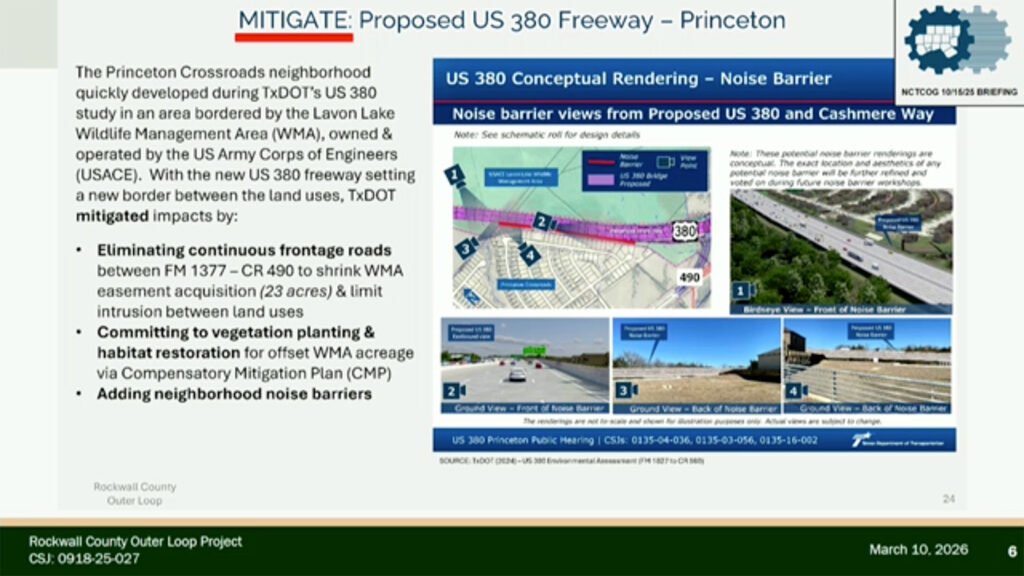
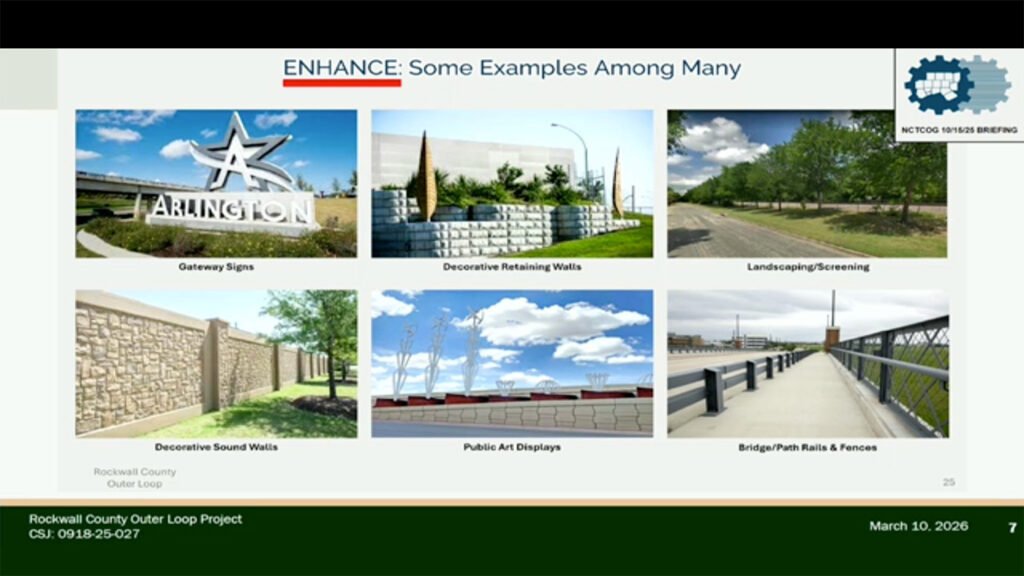
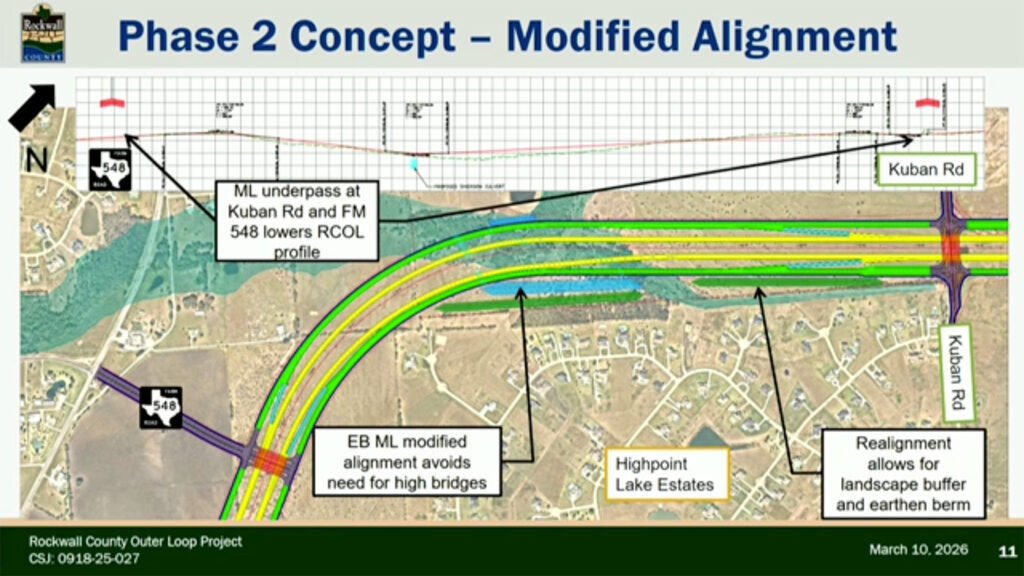
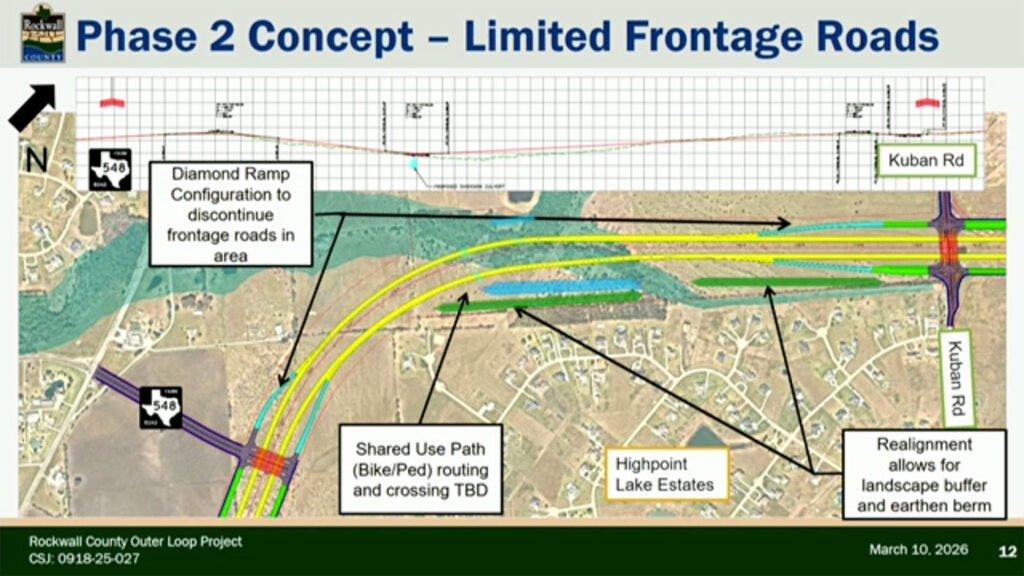
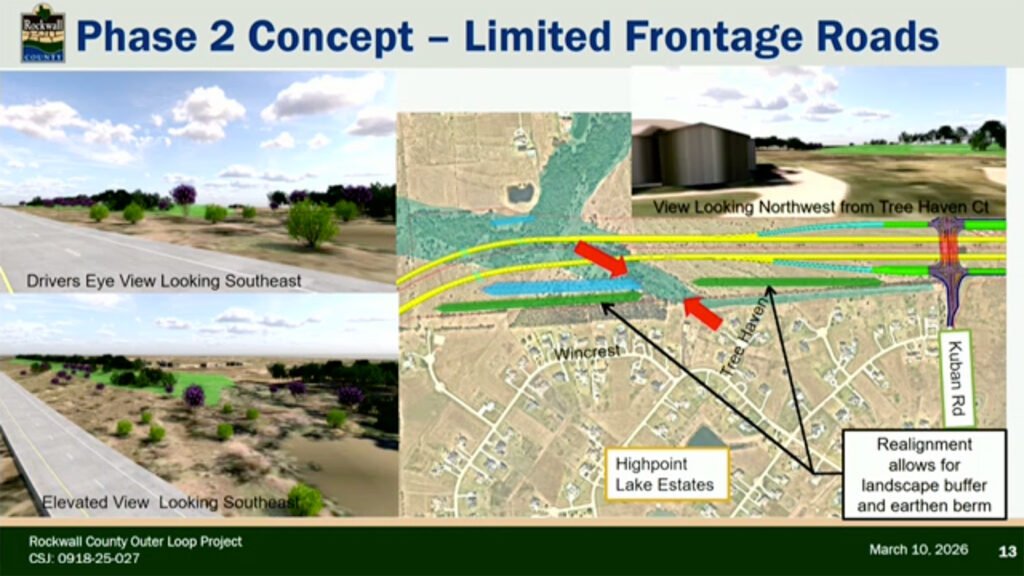
Transportation consultant Matt Craig, PE of Halff Associates presented examples of how engineering tools could minimize impacts to residents.
Craig explained that the environmental planning process follows a structured framework:
- Avoid impacts
- Minimize impacts
- Mitigate unavoidable impacts
- Add enhancements where possible
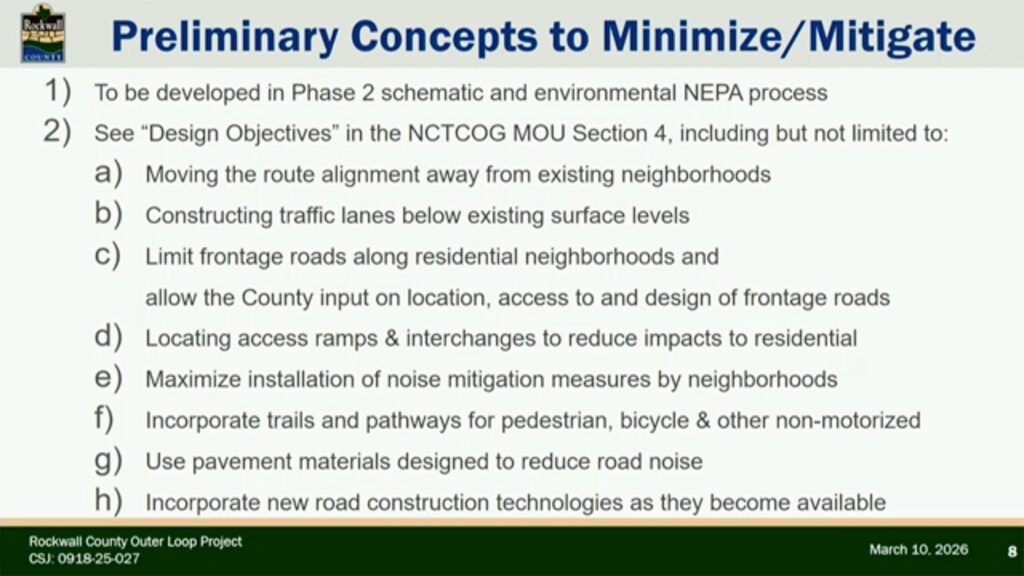
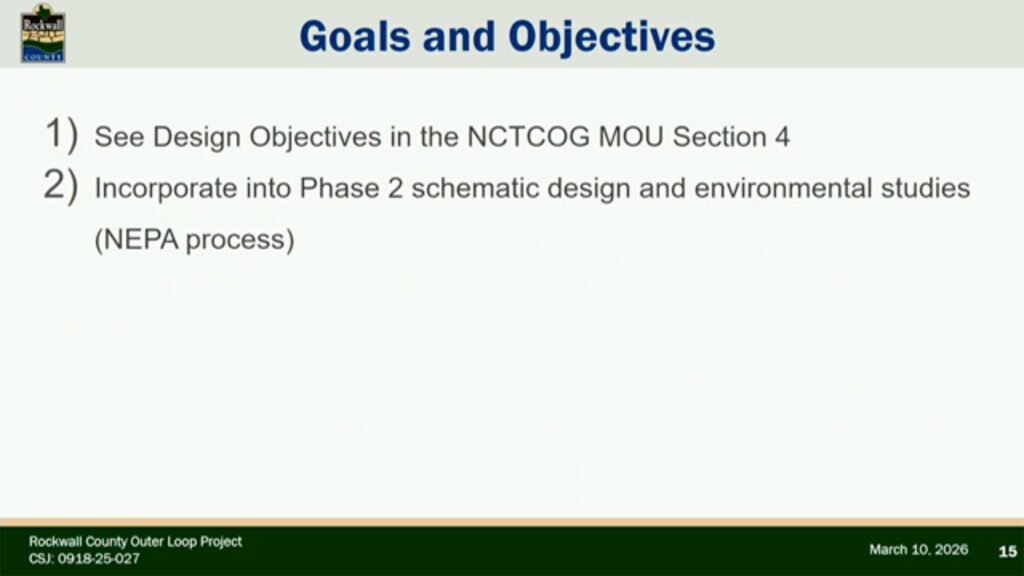
The design objectives included:
• Moving the route away from existing neighborhoods
• Limiting frontage roads near residential areas
• Locating interchanges to reduce impacts
• Installing noise mitigation
• Including trails and shared-use paths
• Using roadway materials that reduce traffic noise
Craig also showed examples of how the alignment could potentially shift hundreds of feet away from existing neighborhoods, along with landscaping berms and other visual and noise buffers.
The goal, he explained, is to incorporate these protections during the National Environmental Policy Act (NEPA) review process, which ultimately determines the final alignment.
Transportation Expert John Polster Weighs In

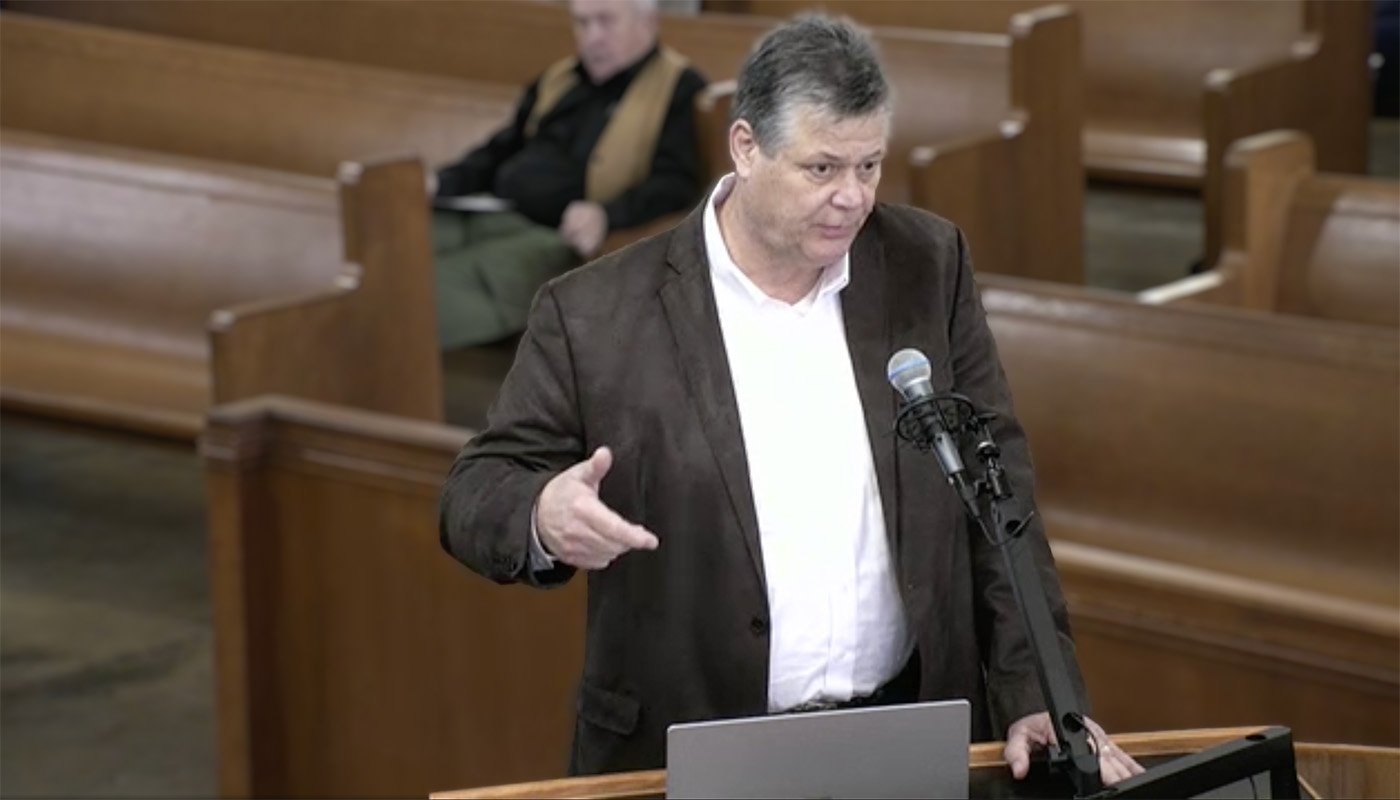
Transportation consultant John Polster also addressed the court and discussed funding realities behind the project.
Polster confirmed that if Rockwall County chose not to participate in the environmental study, regional agencies could still move forward.
He also explained that NCTCOG could fund the study through its consultant budget rather than construction funds.
Polster warned the county could risk losing influence over regional transportation priorities if it refused to participate.
He also pointed out that roughly $100 million in regional funding currently planned for State Highway 205 improvements could potentially be reconsidered if the partnership deteriorates.
Debate Over Route and Campaign Mandate

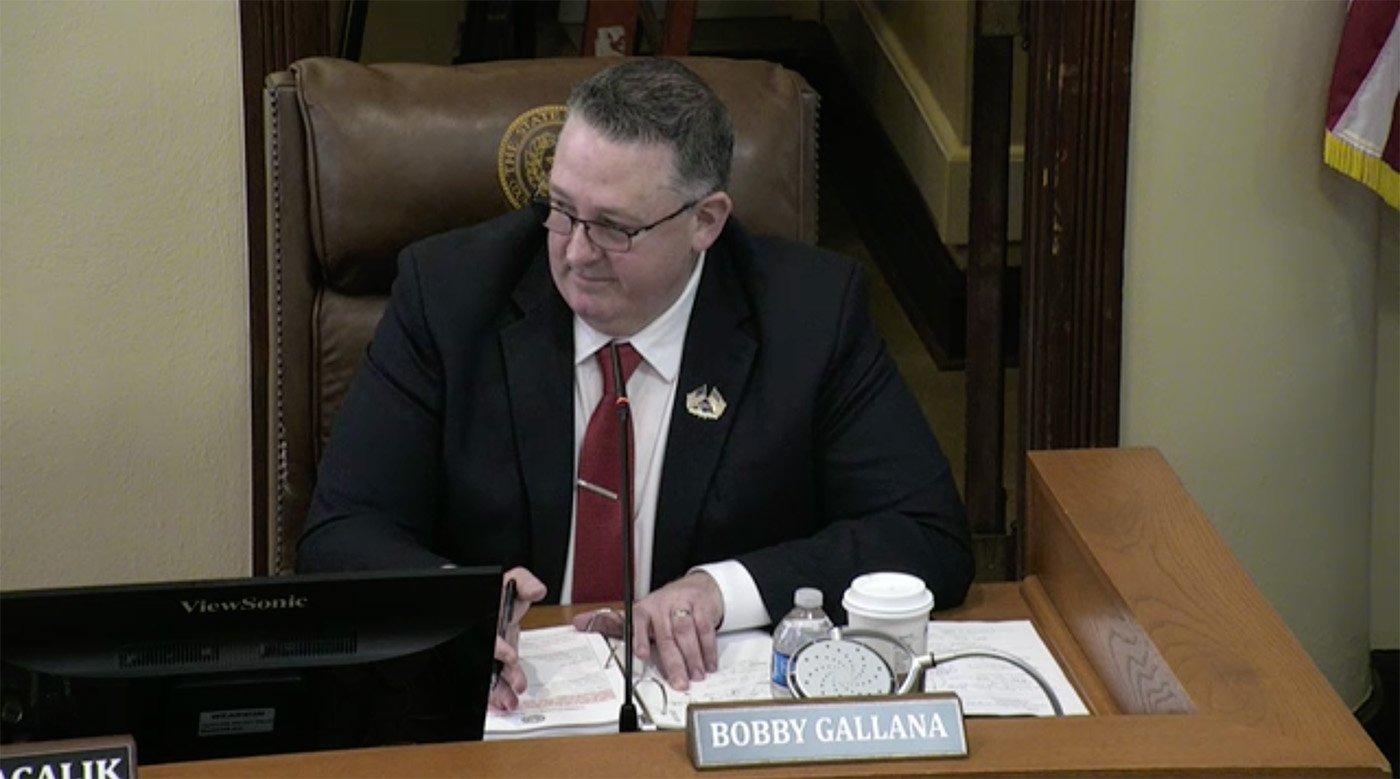
A key moment in the discussion came during an exchange between Commissioner John Stacy and Commissioner Bobby Gallana, revealing differing interpretations of the recent election and what voters expected from county leadership regarding the Outer Loop.
Stacy raised concerns about language in the MOU related to avoiding neighborhoods and argued the county should continue pursuing alternatives that could shift the route away from residential areas.
He also referenced the recent election, noting that both he and Judge Frank New had campaigned on concerns about the Outer Loop route and had been reelected.
“In that election there was me running saying I hate where the Outer Loop is going and I want to move it,” Stacy said.
Stacy suggested the election results reflected voter support for revisiting the route and pushing for additional changes to the alignment.
Gallana responded by cautioning the court against returning to the same debate over moving the project out of the county entirely.
He acknowledged the election results but said he believed voters were primarily focused on broader development concerns rather than the Outer Loop itself.
“What I heard most about in your campaigns were developer interests,” Gallana said, adding that discussions about the Outer Loop were largely driven by a specific group of concerned residents.
Gallana urged the court to focus on the practical decisions in front of them rather than revisiting earlier arguments about moving the roadway to Hunt County.
“I don’t want us to start getting sidetracked again on trying to move the Outer Loop,” Gallana said, emphasizing that state transportation officials had repeatedly indicated the corridor would remain within Rockwall County.
The exchange underscored the broader divide among county leaders: whether the county’s priority should be continuing to fight the location of the roadway or participating in the planning process to influence how it is ultimately built.
Tension During Exchange With Commissioner Macalik

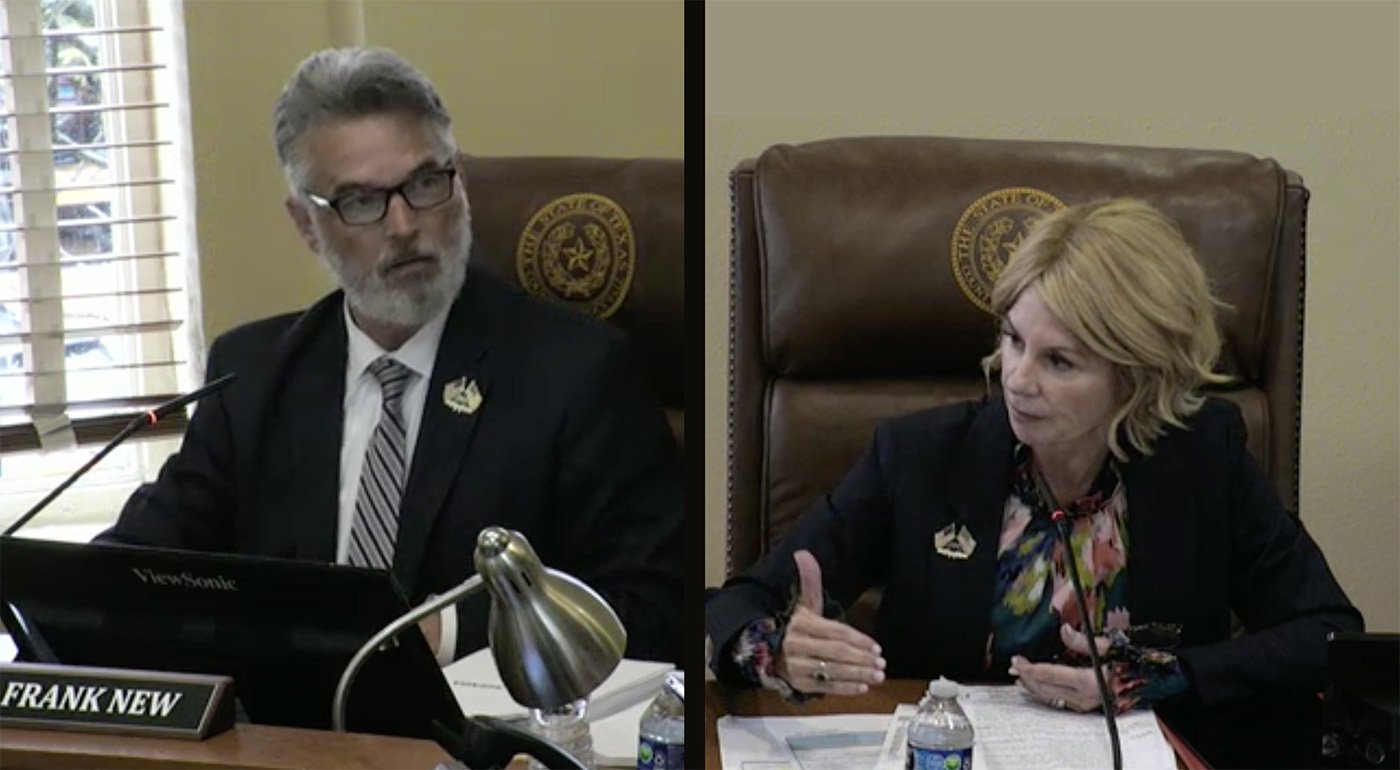
During the discussion, Judge Frank New challenged comments from Commissioner Dana Macalik about the history of the project and the county’s past commitments.
Macalik referenced past commissioners court records dating back to 2004, noting that the project had been supported by previous county leadership and regional partners.
Judge New interrupted her remarks, stating that legislative changes in recent years have significantly altered the regulatory environment.
“I want to make sure you understand the rules changed,” New said.
Macalik pushed back, noting that the history she referenced came directly from official commissioners court records.
The exchange reflected broader disagreements about whether earlier commitments should still guide decisions today.
The Central Question Facing the County
Ultimately, the debate came down to a single issue: whether participation provides greater protection for Rockwall County residents or reduces the county’s leverage.
Judge New acknowledged the MOU was carefully written but warned that once the planning process begins, the county could lose control of the outcome.
“My gut tells me if we make this first decision and this domino gets knocked over, we’ve lost control,” New said.
Supporters of the agreement, however, argued that failing to participate could leave the county with even less influence over the final route.
Final Vote and Next Steps
After more than an hour of discussion and debate, the Rockwall County Commissioners Court approved the Memorandum of Understanding in a 4–1 vote.
Commissioners Lorne Liechty, Bobby Gallana, John Stacy, and Dana Macalik voted in favor of the agreement. County Judge Frank New cast the lone dissenting vote, maintaining concerns about whether entering into the agreement could ultimately reduce the county’s leverage over the route and long-term development impacts.
With the court’s approval, the proposed MOU will now be submitted to the North Central Texas Council of Governments (NCTCOG) for review and potential negotiation. If accepted, the agreement would allow Rockwall County to formally participate in the environmental study and planning process for the southern segment of the Outer Loop.
The environmental analysis — expected to take several years — will help determine the most viable route while evaluating potential impacts to neighborhoods, property owners, and the surrounding environment.
For Rockwall County residents, the vote marks the beginning of a new phase in a transportation project that has been discussed for more than two decades and will shape how growth and mobility unfold across the region in the years ahead.
If you would like to stay informed on Rockwall County developments, you may subscribe for updates. Readers are also welcome to share respectful thoughts in the comments or reach out by email.