
What the December meeting revealed about Michael Morris’s leadership, legacy, and the path forward
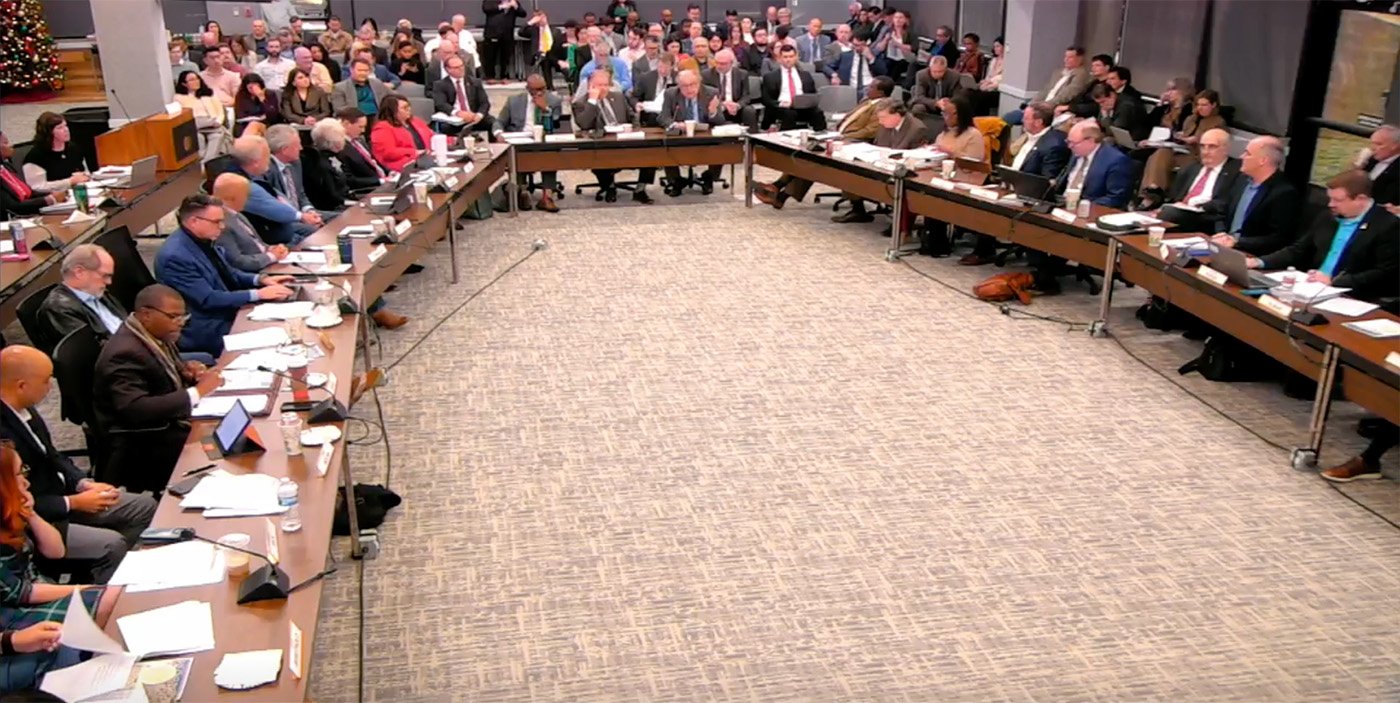
When I read a recent statement regarding leadership changes at the North Central Texas Council of Governments (NCTCOG), it raised questions serious enough to warrant a closer look. Rather than rely on secondhand interpretations, I decided to watch and listen to the December 11, 2025 Regional Transportation Council (RTC) meeting for myself — specifically Agenda Item 13, which addressed the Transportation Director succession plan.
What I heard during that meeting was a room full of experienced regional leaders working through an unexpected moment of transition with candor, respect, and a shared concern for protecting the systems North Texas depends on.
A Legacy Widely Respected Across the Region
One fact was unmistakable throughout the meeting: the overwhelming tone of the RTC was supportive of Michael Morris.
Mayors, county judges, commissioners, and regional transportation leaders spoke with consistency about Morris’s integrity, experience, and decades-long role in shaping transportation planning across North Texas. Not a single speaker questioned his professionalism, character, or commitment to the region.
Several members openly acknowledged a reality: after more than four decades of service in some capacity since 1979, Morris would eventually need to transition. While the timing prompted questions, the concept of succession planning itself was understood as responsible governance — not a failure of leadership.
Michael Morris Presented A Transportation Director Succession Plan
Morris used the meeting to personally explain his succession plan, emphasizing that it was designed as a structured, transparent transition, not an abrupt departure.
Under the plan:
• Morris will remain Transportation Director until a successor is selected, a process estimated at five to six months.
• He would then transition into a senior advisory role under a professional services agreement, subject to RTC approval, for at least one year and potentially up to three.
• The RTC itself will be involved in interviewing and selecting the next transportation director.
• Internal staff may apply, reflecting the depth of talent within NCTCOG.
Morris made clear that his continued role would be substantive, not ceremonial. He outlined responsibilities including oversight of approximately $160 million in RTC local funds, monitoring dozens of active project agreements, and continued stewardship of innovative non-federal funding programs that North Texas pioneered to successfully compete for billions in federal discretionary grants.
He also stressed his ongoing leadership role in transportation planning for the 2026 FIFA Men’s World Cup, calling it a full-time responsibility requiring continuity, coordination, and institutional knowledge — and one that would not change under the transition.
Morris framed the plan as a risk-management strategy for the region, ensuring that staff expertise, funding mechanisms, and nationally significant commitments remain stable during leadership change.
Where RTC Members Raised Concerns: Process, Not Performance
Several RTC members raised questions about timing, notice, and governance. Particularly whether the council, policy body had been sufficiently engaged before the succession plan appeared on the agenda. Multiple speakers emphasized that decisions of this scale warranted earlier discussion and clearer communication.
Importantly, these concerns were not expressions of dissatisfaction with Morris or opposition to succession planning. They reflected the council’s desire for:
• appropriate policy-body involvement in decisions affecting long-range planning;
• federal funding coordination; and
• regional transportation priorities.
In short, the RTC was working through institutional roles and process, not questioning Morris’s leadership or legacy.
A Broader Issue: State Pressure and Regional Stability
The discussion extended beyond succession timing into larger concerns. Such as the region’s relationship with the Texas Legislature and the protection of local and regional control.
Several leaders, including Dallas County Judge Clay Jenkins, warned that internal division or public mischaracterization of regional planning efforts could weaken North Texas’s position when competing for state and federal transportation funding.
They emphasized:
• growing tension between regional planning bodies and the Legislature,
• risk of losing North Texas funding to state-directed priorities,
• the importance of presenting a unified, disciplined regional strategy.
These concerns underscored why continuity, credibility, and collaboration matter far beyond any single leadership change.
What This Means for Rockwall County
One important takeaway from the RTC meeting is this: leadership transition does not change the rules of regional transportation planning.
Rockwall County, like every other county, will not receive special treatment under new leadership. The expectations remain the same. Counties must engage in the full planning process. Use all available tools, complete required environmental studies, and work collaboratively with regional partners.
Those responsibilities were clearly laid out by Michael Morris long before this succession plan and remain in place today.
Read What Rockwall County Needs to Know About the Outer Loop Project.
Why the Record Matters
The December 11 RTC meeting revealed a governing body navigating transition thoughtfully, a leader whose legacy is widely respected, and a region acutely aware of the stakes tied to transportation funding, growth, and local control.
The public record matters — especially during moments of change. And in this case, the record shows continuity, respect, and an expectation that the work continues.
Subscribe if you’d like to stay updated on Rockwall County developments. You’re welcome to email me or share your thoughts in the comments.